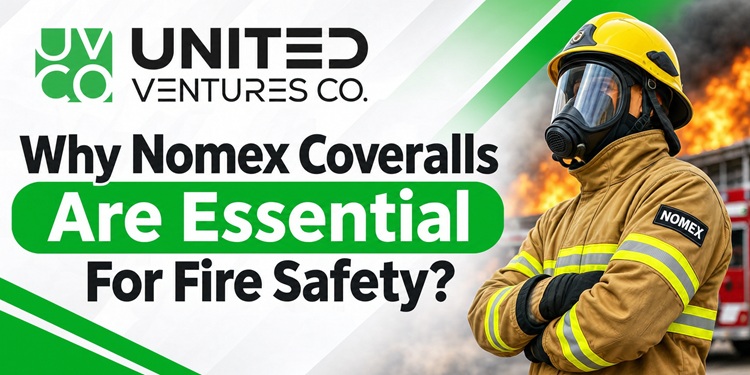
Fire and heat hazards are serious concerns in industries such as oil and gas, petrochemicals, power generation, manufacturing and industrial maintenance. Workers in these environments need protective clothing that can help reduce the risk of burn injuries during unexpected thermal incidents. A Nomex Coverall is a widely used option because it is made with inherently flame-resistant aramid fibres designed to resist ignition and help limit continued burning.
Unlike ordinary workwear, Nomex garments are developed for demanding conditions where exposure to heat, sparks or flames may occur. Understanding how this material works, where it is suitable and what to check before purchasing helps employers make better PPE decisions.
What Makes Nomex Coveralls Different?
Nomex is a flame-resistant aramid fibre used in protective clothing. Its flame resistance is inherent to the fibre rather than dependent only on a surface treatment. This means the flame-resistant property is not simply washed away through normal laundering when the garment is properly manufactured and cared for.
When exposed to intense heat or flame, Nomex fibres are designed to resist ignition and help self-extinguish after the flame source is removed. They do not behave like many ordinary synthetic fabrics that can melt and drip onto the skin. This characteristic can help reduce the severity of clothing-related burn injuries, although it does not make the wearer fireproof or eliminate the risk of burns.
Why Are Nomex Coveralls Important for Fire Safety?
1. Resistance to Flame and Heat
Workers near hot equipment, combustible materials or industrial processes may face sudden flame exposure. Nomex protective clothing helps provide a barrier against these thermal hazards. Its inherent flame resistance can help prevent clothing from continuing to burn after a brief flame contact, giving workers an important layer of protection.
2. Reduced Risk from Melting Fabric
Some synthetic fabrics can melt when exposed to high temperatures and adhere to the skin, potentially worsening injuries. Flame-resistant aramid clothing is designed to avoid this behaviour. OSHA guidance also highlights the importance of preventing workers from wearing clothing that can melt onto the skin or ignite and continue burning during flame or electric-arc exposure.
3. Support for High-Risk Industrial Work
Oil and gas facilities, refineries, petrochemical plants, power stations and manufacturing sites may involve flammable substances, hot surfaces or electrical hazards. Properly selected Nomex coveralls can form part of a workplace PPE programme for employees exposed to relevant thermal risks. The garment must still match the specific hazards identified in the workplace assessment.
4. Durability for Regular Industrial Use
Protective clothing is expected to withstand repeated movement, demanding work routines and regular laundering. Nomex garments are used in industrial settings where durability and dependable performance matter. However, service life depends on garment construction, frequency of use, contamination, laundering practices and inspection results.
Industries That Commonly Use Nomex Coveralls
- Oil and gas: Personnel working around drilling operations, processing equipment and hydrocarbon handling may require flame-resistant workwear as part of their site-specific PPE.
- Petrochemical facilities: Workers near process equipment and flammable materials may need garments selected for flash-fire risks.
- Power generation: Maintenance and electrical personnel may require flame-resistant or arc-rated clothing, depending on the assessed electrical and thermal hazards.
- Manufacturing: Certain production processes involve heat, sparks or hot materials that can make specialised protective clothing necessary.
- Industrial maintenance: Technicians working in high-risk areas may use protective coveralls to reduce exposure to identified workplace hazards.
How to Choose the Right Nomex Coverall?
Choosing protective clothing should begin with a workplace hazard assessment, not simply a fabric name or product price. Employers should consider the following factors before placing an order:
- Applicable standards: Check the required protection standard for the task and target market. Depending on the hazard, relevant specifications may include NFPA 2112 for flash-fire protective garments, ASTM F1506 for flame-resistant textile materials used in arc-rated clothing, or EN ISO 11612 for clothing protecting against heat and flame. Confirm that the finished garment—not just the fabric—has the required certification.
- Arc rating: If electrical arc exposure is possible, verify the garment’s arc rating and compare it with the incident-energy assessment. Flame-resistant does not automatically mean arc-rated.
- Fit and coverage: Select suitable sizes and ensure closures, cuffs and fastenings provide appropriate coverage without restricting movement.
- Construction quality: Examine seams, stitching, pockets, closures and any reflective elements required for the worksite.
- Comfort and climate: Consider fabric weight, breathability and working conditions so employees can wear the garment correctly throughout their shifts.
- Documentation: Request product specifications, test reports, care instructions and certification details from the supplier.
Care and Maintenance Matter
Inherent flame resistance does not mean a garment can be neglected. Oil, grease, fuel, paint and other flammable contaminants can ignite and burn on the clothing, increasing the risk to the wearer. DuPont’s laundering guidance advises users to remove such contamination and follow suitable cleaning procedures.
Inspect coveralls regularly for tears, damaged seams, worn closures, heavy contamination and other defects. Follow the garment manufacturer’s washing instructions, avoid unapproved alterations and remove damaged clothing from service when its protective performance may be affected. Workers should also wear compatible underlayers and the other PPE required by the hazard assessment.
Choosing a Reliable Industrial PPE Supplier
A dependable supplier should help buyers understand product specifications, garment options and documentation rather than relying on broad safety claims. United Ventures Co. provides industrial PPE and Industrial Equipment Solutions for businesses seeking products for demanding work environments.
Before purchasing, organisations should share their workplace hazard requirements and confirm that the proposed garment meets the relevant site specifications. Explore the Nomex Coverall product page to learn more about the available option and make an informed enquiry.
Frequently Asked Questions
1. Are Nomex coveralls fireproof?
No. Nomex is inherently flame-resistant, but no coverall makes a worker fireproof. Protection depends on exposure conditions, garment design, certification, fit and correct use.
2. Do Nomex coveralls lose flame resistance after washing?
The flame resistance is inherent to properly manufactured Nomex fibres and is not designed to wash out. However, flammable contamination and incorrect laundering can affect garment safety and performance.
3. Are Nomex coveralls suitable for electrical workers?
They may be suitable when the specific garment has the required arc rating and meets the workplace’s electrical safety requirements. Always compare its rating with the assessed incident energy.
4. Can Nomex coveralls protect against chemical spills?
Not automatically. Flame-resistant clothing and chemical-protective clothing serve different purposes. Select garments with verified chemical protection when workers may encounter hazardous liquids or substances.
5. How often should Nomex coveralls be replaced?
There is no single replacement interval for every workplace. Replace garments when they are damaged, contaminated beyond effective cleaning, altered improperly or no longer meet the manufacturer’s inspection criteria.
Final Thoughts
Nomex coveralls are an important protective clothing option for workers who may encounter flame and heat hazards. Their inherent flame resistance, resistance to melting and suitability for demanding industrial applications make them valuable within a properly designed PPE programme. However, the right garment must always be selected according to the actual workplace risks, applicable standards and required performance ratings.
For businesses reviewing their industrial safety requirements, choosing a suitable product and maintaining it correctly are equally important. Connect with United Ventures Co. to enquire about Nomex coveralls and explore protective equipment options that support a safer working environment.
Full Audio Version:- Click Here