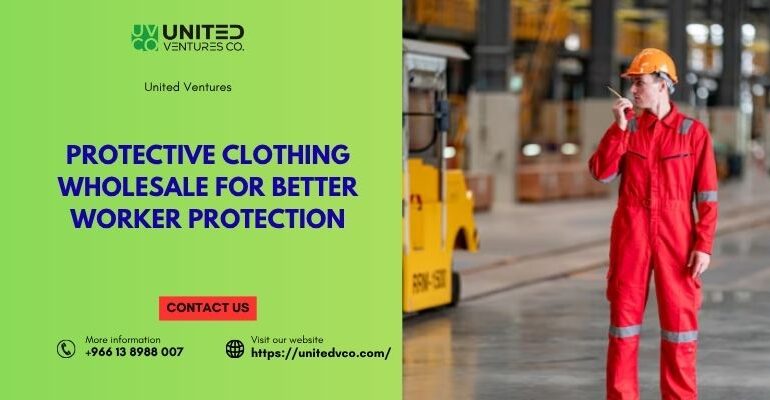
Workplace safety is essential for businesses operating in construction, manufacturing, oil and gas, warehousing, and other industrial sectors. Employees often face hazards such as heat, sparks, dust, chemical splashes, sharp materials, and mechanical risks. Choosing suitable protective clothing helps reduce exposure to these hazards while supporting employee comfort and productivity. For businesses purchasing safety garments in bulk, Protective Clothing Wholesale offers a practical way to source workwear that meets specific operational requirements.
However, buying protective clothing should involve more than comparing prices. Businesses must consider workplace hazards, garment performance, fit, durability, maintenance, and applicable safety standards. A well-planned purchasing strategy helps organizations provide appropriate protection while managing procurement costs.
Why Protective Clothing Matters in Industrial Workplaces?
Protective clothing creates a barrier between workers and workplace hazards. Depending on its design and materials, it can help protect the body against heat, flames, dirt, abrasion, limited chemical exposure, and other identified risks. The appropriate garment depends on the task, the working environment, and the level of protection required.
The US Occupational Safety and Health Administration (OSHA) explains that personal protective equipment should be selected according to workplace hazards and maintained in a clean, reliable condition. Proper fit and employee training are also important for effective protection. Read the OSHA personal protective equipment guidance for additional information.
Protective garments can also support a consistent workplace appearance, help identify different teams, and reduce premature clothing replacement when durable products are selected. Nevertheless, protective clothing is only one part of a comprehensive safety program and should complement appropriate engineering controls, safe procedures, and training.
Common Types of Protective Clothing
Different industries require different protective garments. Understanding these categories helps purchasing teams select suitable products instead of relying on a single workwear solution for every employee.
- Industrial coveralls: Provide body coverage for maintenance, manufacturing, engineering, and general industrial tasks where the garment’s specifications match the hazards.
- Flame-resistant clothing: Designed for particular heat and flame exposure risks. Buyers should verify the relevant performance ratings and intended applications.
- Chemical-protective garments: Selected according to the chemicals involved, their concentration, potential exposure, and the material’s compatibility.
- High-visibility workwear: Helps workers remain visible around moving vehicles, construction equipment, and other traffic-related hazards when the garment meets the required visibility specifications.
- Disposable protective suits: Suitable for certain dust, contamination, and splash-control applications, depending on the product’s tested capabilities.
- Protective jackets, aprons, and trousers: Provide task-specific coverage for employees working in environments that require additional protection for particular body areas.
These categories are not interchangeable. For example, ordinary industrial coveralls should not automatically be considered suitable for hazardous chemical handling or intense heat exposure. Employers should complete a risk assessment before selecting garments.
How to Choose the Right Protective Clothing Wholesale Supplier?
Choosing a reliable wholesale supplier involves evaluating product suitability, documentation, consistency, and service. Businesses should use the following criteria before placing large orders.
1. Identify Workplace Hazards
Begin by identifying the hazards employees encounter during their daily activities. Consider heat, flames, dust, moisture, chemical contact, abrasion, and visibility requirements. Consult safety personnel and workers who understand the actual conditions on site. This assessment establishes the performance characteristics required from each garment.
2. Verify Product Quality and Standards
Ask suppliers for product specifications, applicable conformity documentation, test reports, and care instructions. Where heat and flame protection is required, ISO 11612 addresses performance requirements for protective clothing designed for specified heat and flame exposures. Its applicability depends on the garment and intended use. Buyers should confirm the current applicable edition and requirements before procurement.
International standards do not automatically apply to every garment. Requirements differ according to the hazard, industry, and destination market. Review the relevant information through the ISO 11612 standard reference and consult qualified safety professionals when necessary.
3. Prioritize Fit and Comfort
Protective clothing must fit the intended wearer without restricting essential movement or introducing additional hazards. Consider available sizes, fabric breathability, seam construction, closures, and compatibility with other PPE. Poorly fitting garments may discourage employees from wearing them correctly.
4. Compare Durability and Total Cost
Wholesale pricing can reduce the purchasing cost per garment, but the lowest initial price is not always the best value. Compare expected service life, cleaning requirements, replacement frequency, warranty terms where applicable, and product performance. A durable garment that remains suitable for its intended use may offer better long-term value than a cheaper alternative requiring frequent replacement.
5. Check Bulk Supply Capabilities
Before confirming an order, discuss available sizes, quantities, delivery schedules, customization options, and repeat-order consistency. Request samples where practical and establish clear product specifications for future purchases. These steps can help prevent delays and reduce the risk of receiving garments that differ from the approved sample.
Industries That Benefit from Wholesale Protective Clothing
Wholesale procurement is useful for organizations that need standardized workwear across multiple employees, departments, or locations.
- Construction: Workers may require high-visibility garments, durable coveralls, and task-specific protective clothing.
- Manufacturing: Garments may need to withstand routine abrasion, dust, and contact with industrial materials.
- Oil and gas: Workwear requirements depend on the specific exposure risks, which may include heat, flames, chemicals, or static-related hazards.
- Warehousing and logistics: Suitable clothing can improve visibility and support safe movement around equipment.
- Maintenance and engineering: Appropriate workwear helps address the hazards identified during equipment servicing and repair activities.
Each industry should establish its own garment specifications rather than assuming that one product will provide adequate protection across all work environments.
How Protective Clothing Supports Workplace Safety?
Effective protective clothing selection supports a broader workplace safety strategy. Suitable garments can reduce contact with identified hazards, while consistent purchasing makes it easier to standardize products, maintain replacement stock, and communicate usage requirements.
Businesses should also establish procedures for inspecting, cleaning, storing, and replacing protective garments. Damaged seams, worn fabric, contaminated materials, or changes in fit may compromise suitability. Employees need clear instructions on when garments should be removed from service and how they should be maintained.
For organizations sourcing several categories of industrial products, exploring Industrial Equipment Solutions can help them review available industrial supplies and protective equipment through one supplier. United Ventures Co. provides industrial equipment and PPE offerings, including protective products intended to support workplace safety requirements.
Frequently Asked Questions
1. What is protective clothing wholesale?
Protective clothing wholesale involves purchasing workwear and safety garments in larger quantities, generally for businesses, industrial facilities, contractors, or distributors. It can help organizations standardize garments and manage recurring procurement needs.
2. How do I select the right protective clothing for my workers?
Start with a workplace hazard assessment, identify the required protection level, and verify product specifications and applicable standards. Consider fit, comfort, durability, maintenance, and compatibility with other PPE before placing an order.
3. Is flame-resistant clothing suitable for every industrial environment?
No. Flame-resistant clothing is designed for specific exposure conditions and does not protect against every workplace hazard. Select garments according to the assessed risks and the manufacturer’s documented performance specifications.
4. What should businesses check before buying protective clothing in bulk?
Businesses should check product quality, documentation, available sizes, material suitability, order quantities, delivery schedules, care instructions, and repeat-supply consistency. Testing samples and confirming specifications can help reduce purchasing risks.
5. How often should protective clothing be replaced?
Replacement frequency depends on the garment type, exposure conditions, wear, contamination, cleaning procedures, and manufacturer instructions. Inspect garments regularly and remove items from service when damage or contamination makes them unsuitable for continued use.
Final Thoughts
Better worker protection begins with understanding workplace hazards and choosing clothing designed for the conditions employees face. Protective clothing wholesale can help businesses source garments in bulk, maintain consistent workwear standards, and plan procurement more efficiently. However, purchasing decisions should prioritize verified performance, appropriate fit, durability, and compliance with applicable requirements rather than price alone.
United Ventures Co. offers industrial equipment and PPE solutions for businesses seeking products to support their operational and workplace safety needs. Before placing an order, assess your requirements, review product documentation, and confirm that the selected garments are suitable for their intended applications.
Full Audio Version:- Click Here