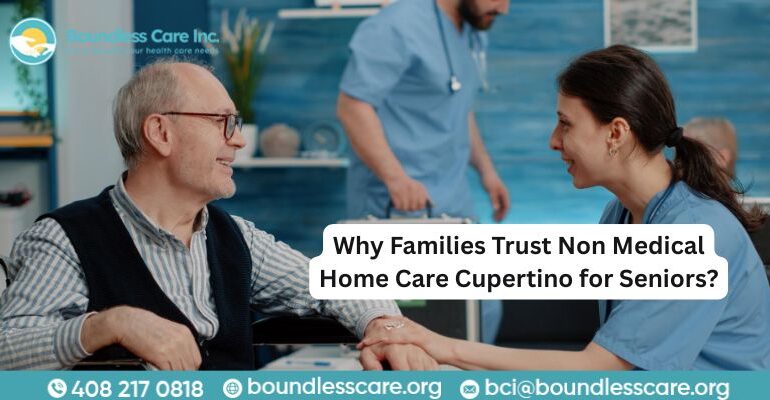
For many older adults, staying at home means remaining connected to familiar routines, personal belongings, neighbors, and the community they know. But everyday activities can become harder with age, mobility changes, or chronic conditions. Non Medical Home Care Cupertino can provide practical assistance while helping seniors maintain comfort, dignity, and as much independence as possible.
Families often trust home care when it offers more than occasional help. They want dependable caregivers, clear communication, appropriate safety practices, and services that reflect the senior’s individual routine. Understanding what non-medical care includes and how to evaluate a provider can make this important family decision easier.
What Is Non-Medical Home Care?
Non-medical home care is support with everyday living rather than clinical treatment. Depending on the individual’s needs and the provider’s services, it may include personal care, bathing and dressing assistance, mobility support, meal preparation, light household tasks, transportation, errands, and companionship.
It is important to distinguish this from skilled home health care. Medical or skilled care addresses clinical needs through appropriately licensed healthcare professionals, while non-medical home care primarily helps with daily activities and practical support. Some seniors may need both forms of assistance at different times.
Why Home-Based Support Matters for Seniors?
Home care can help families support an older relative without immediately changing the person’s living environment. The objective is not to take over every activity, but to provide assistance where it is needed while allowing the senior to continue participating in familiar routines.
That distinction matters because independence does not necessarily mean doing everything without assistance. For one senior, independence may mean preparing a simple meal with help nearby. For another, it may mean safely getting dressed, attending an appointment, or continuing to enjoy activities outside the home.
Home and community-based services are also part of broader aging-in-place approaches. The Administration for Community Living highlights the importance of partnerships between housing and home- and community-based services in supporting older adults who want to remain in their communities.
Safety Is a Major Reason Families Seek Professional Support
Safety becomes especially important when an older adult has mobility limitations or a history of falls. According to the CDC’s September 2026 data, more than 14 million, or about one in four, U.S. adults aged 65 and older report falling each year. The CDC identifies falls as the leading cause of injury among older adults.
Non-medical caregivers cannot replace clinical fall-risk assessment, but appropriate daily assistance can support safer routines. Help with moving around the home, preparing meals, completing errands, or handling everyday tasks may reduce situations in which a senior attempts a difficult activity alone.
Families should still discuss significant mobility or fall concerns with an appropriate healthcare professional. Home care works best as part of a broader support plan rather than as a substitute for medical evaluation.
Personalized Care Builds Greater Confidence
No two seniors require exactly the same type of assistance. Some may need only a few hours of companionship or help with errands, while others may require regular assistance with personal care, meals, mobility, and household routines.
A personalized care plan allows families to identify what the senior can comfortably manage independently and where support is appropriate. This approach can help preserve personal choice rather than making the senior feel that every part of daily life has been taken over.
Boundless Care’s Cupertino service page describes a care process that begins with understanding the client’s needs and schedule, followed by a personalized care plan, caregiver matching, and ongoing support as needs change.
Companionship Is Part of Quality Senior Support
Practical assistance is only one part of home care. Regular companionship can also make daily life more engaging, particularly for seniors who spend substantial time at home.
Conversation, shared activities, walks, errands, hobbies, and simple social interaction can help maintain connection and routine. The CDC also notes the importance of social connectedness for older adults, including its relationship with well-being and quality of life.
For families who cannot be physically present throughout the day, a dependable caregiver can provide an additional layer of human connection while supporting everyday responsibilities.
How Families Can Evaluate a Cupertino Home Care Provider?
Trust should be based on information rather than assumptions. Families considering non-medical home care can ask providers about:
- Licensing: Is the organization appropriately licensed under California requirements?
- Caregiver screening: What background checks and registration processes are used?
- Training: What preparation do caregivers receive for supporting older adults?
- Care planning: How are services matched to the senior’s actual needs?
- Communication: How are family members informed about changes or concerns?
- Continuity: What happens if the regular caregiver is unavailable?
- Flexibility: Can the schedule change as the senior’s needs evolve?
California provides an important consumer-protection framework. The California Department of Social Services states that Home Care Organizations are required to be licensed and that its Home Care Services Branch oversees licensing, complaints, and the Home Care Aide Registry. The state also provides a public registry through which families can check registered home care aides.
Why Communication Matters to Families?
Even when a caregiver is providing excellent day-to-day assistance, families need a reliable way to understand what is happening. Clear communication about schedules, changing needs, appointments, concerns, and service expectations can make the care arrangement more sustainable.
Families should therefore ask how the provider handles caregiver absences, changes in care requirements, urgent concerns, and communication with relatives. These operational details may matter just as much as the list of services.
The older ElderCare.com guide similarly emphasizes checking credentials, comparing care options, interviewing potential caregivers, reviewing background information, and monitoring care after services begin. Although that article was published in 2018, these are still useful questions to consider; its older statistics should not, however, be treated as current evidence.
What Boundless Care Inc. Provides in Cupertino?
Boundless Care Inc. provides non-medical in-home support for seniors in Cupertino. Its service information includes personal care such as bathing, dressing, and hygiene assistance; mobility and physical assistance; daily living support; meal preparation; light household tasks; transportation; errands; and companionship.
The company states that caregivers are carefully selected for experience, reliability, and respectful care. Its Cupertino care process includes an initial consultation, personalized planning, caregiver matching, and ongoing support.
For families looking beyond Cupertino, Senior Home Care Assistance Santa Clara is another relevant service pathway within Boundless Care’s broader service area.
When Non-Medical Home Care May Be Appropriate?
Families may want to explore non-medical home care when a senior begins experiencing difficulty with everyday activities but still wants to remain at home. Common signs include increasing difficulty with bathing or dressing, preparing meals, getting around safely, completing errands, maintaining household routines, or spending too much time alone.
Care needs can also change gradually. Starting with limited support and reassessing the arrangement periodically may be more practical than waiting until a family reaches a crisis point.
Frequently Asked Questions
1. What does non-medical home care include?
It can include personal care, companionship, mobility assistance, meal preparation, light household tasks, transportation, errands, and other activities of daily living. Services depend on the provider and the senior’s needs.
2. Is non-medical home care the same as home health care?
No. Non-medical home care generally focuses on daily living and companionship, while skilled home health care involves clinical services delivered by qualified healthcare professionals.
3. How can families verify a California home care provider?
Families can check whether the organization is appropriately licensed and use California’s Home Care Aide Registry to review the status of registered aides. CDSS provides resources for seniors and families to search home care organizations and aides.
4. Can home care help seniors remain independent?
It can provide practical assistance that allows seniors to continue participating in familiar routines while receiving help with activities they find difficult. The appropriate level of support depends on the individual’s abilities and circumstances.
5. When should a family consider non-medical home care?
Families may consider it when an older adult needs increasing help with personal care, mobility, meals, transportation, household routines, or companionship, particularly when family members cannot provide all of that assistance themselves.
Final Thoughts
Families trust non-medical home care when they can see a clear connection between dependable support, senior dignity, safety, communication, and personalized attention. In Cupertino, the right care arrangement can help an older adult receive assistance without unnecessarily giving up familiar routines and independence.
The best starting point is a practical assessment of what the senior needs today, what may change in the future, and what questions should be answered before choosing a provider. Families should verify licensing, ask about caregiver screening and training, understand communication procedures, and make sure the service plan reflects the senior’s preferences.
Boundless Care Inc. focuses on helping seniors manage daily life at home through personalized non-medical support, including personal care, mobility assistance, companionship, transportation, and everyday living assistance. For families exploring Non Medical Home Care Cupertino, a thoughtful consultation can be the first step toward building a dependable support plan that respects both the senior and the family.
Full Audio Version:- Click Here