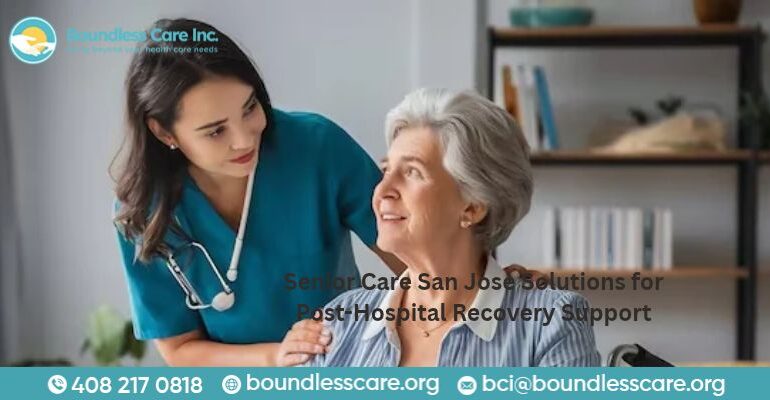
Returning home after hospitalization can be an important milestone for older adults, but recovery often requires more than rest and medication. Seniors may experience reduced mobility, physical weakness, emotional stress, and difficulty managing everyday activities. With appropriate assistance, families can create a safer and more comfortable recovery environment. Professional Senior Care San Jose solutions can help older adults receive practical support at home while maintaining dignity, independence, and familiar routines.
Why Post-Hospital Recovery Support Matters for Seniors?
Hospital discharge does not necessarily mean that an older adult has fully recovered. Following surgery, an injury, an infection, or treatment for a chronic condition, seniors may need additional assistance with personal hygiene, meal preparation, walking, transportation, and household activities.
Without a suitable support arrangement, everyday responsibilities can become overwhelming for seniors and their families. A coordinated recovery plan helps address these challenges while allowing older adults to follow their healthcare providers’ instructions.
The Agency for Healthcare Research and Quality highlights the importance of medication reconciliation, patient education, and continuity checks during hospital discharge. These steps help patients and caregivers understand treatment instructions and maintain communication with healthcare professionals.
Essential Senior Care Solutions After Hospital Discharge
Recovery requirements differ depending on a senior’s health condition, mobility, and living arrangements. The following support services can make the transition from hospital to home more manageable.
1. Personal Care and Daily Living Assistance
After hospitalization, seniors may temporarily struggle with bathing, dressing, grooming, toileting, and other personal activities. Assistance from trained caregivers can make these routines more comfortable while respecting individual preferences and privacy.
Caregivers can also help with light housekeeping, meal preparation, laundry, and maintaining an organized living environment. This practical assistance allows seniors to conserve energy for recovery instead of becoming exhausted by everyday responsibilities.
2. Mobility Assistance and Fall Prevention
Reduced strength and balance difficulties can increase the risk of falls during recovery. Seniors returning home may need support when walking, standing, sitting, or moving between rooms.
Caregivers can provide appropriate assistance with everyday movement according to the senior’s care requirements and prescribed mobility instructions. Families should also remove loose rugs, improve lighting, clear walking pathways, and install suitable bathroom grab bars.
According to the Centers for Disease Control and Prevention, approximately 300,000 hip-fracture-related hospitalizations occur annually due to older adult falls in the United States. Its January 2026 guidance recommends reviewing fall risks, checking potentially problematic medications with healthcare professionals, and improving home safety.
3. Medication Organization and Health Communication
Medication instructions may change following hospitalization. Seniors can receive new prescriptions, adjusted dosages, or instructions to discontinue certain medicines. Confusion about these changes can create unnecessary risks.
Families should maintain an updated medication list and clarify any uncertainties with the prescribing physician or pharmacist. Caregivers can offer reminders and help seniors follow established routines, but medication administration and clinical decisions must remain within the appropriate professional scope.
Any unexpected symptoms, medication concerns, or changes in health should be communicated promptly to the healthcare provider.
4. Nutritious Meals and Comfortable Daily Routines
Proper nutrition and hydration are important components of general recovery and well-being. However, some seniors may have difficulty shopping, preparing meals, or remembering regular mealtimes after hospitalization.
Caregivers can assist with meal preparation based on dietary instructions provided by healthcare professionals. Maintaining regular sleeping schedules, comfortable surroundings, and manageable daily activities can also support a consistent recovery routine.
5. Transportation and Follow-Up Appointment Support
Medical follow-up appointments are an important part of post-hospital recovery. Seniors with limited mobility may find traveling to clinics, diagnostic facilities, or rehabilitation appointments challenging.
Non-emergency transportation services can help families arrange convenient travel for scheduled appointments. Having dependable transportation also reduces the burden on relatives who may have work and other responsibilities.
How to Prepare a Senior’s Home Before Hospital Discharge?
Preparing the home before an older adult returns from the hospital can reduce unnecessary difficulties during the initial recovery period. Families should consider the following steps:
- Clear walking pathways: Remove loose objects, unnecessary furniture, and other obstacles from frequently used areas.
- Prepare the bedroom: Arrange essential belongings within easy reach and ensure the sleeping area is comfortable.
- Improve bathroom safety: Consider grab bars, non-slip surfaces, and suitable bathing assistance.
- Organize medications: Keep the updated medication list and discharge instructions accessible.
- Arrange meals: Prepare appropriate food according to dietary recommendations.
- Plan transportation: Schedule follow-up visits and arrange reliable travel assistance.
- Establish caregiver support: Decide who will assist with daily activities and communicate with healthcare professionals.
These preparations should reflect the senior’s individual mobility and medical requirements. Exercise, rehabilitation activities, and physical movement should only follow professional recommendations.
Choosing the Right Senior Home Care Support in San Jose
Selecting appropriate assistance requires understanding what a senior can manage independently and where additional help is necessary. Families should evaluate caregiver qualifications, service flexibility, communication practices, scheduling, and the provider’s licensing status.
It is equally important to understand the difference between non-medical home care and skilled home health services. Medicare may cover eligible intermittent skilled nursing and certain therapy services, but it generally does not cover personal or custodial care when that is the only service required.
Families looking for dependable Senior Home Care should consider providers offering practical assistance, companionship, transportation, and appropriate care coordination. The right arrangement should complement the medical recovery plan rather than replace professional treatment.
How Boundless Care Inc. Supports Seniors and Families?
Boundless Care Inc. has been serving seniors and families since 2006, providing home care, transportation, and specialized consulting services. Its team brings more than 30 years of combined healthcare experience across hospital settings, long-term care, and geriatric consulting.
The organization offers assistance with personal care, mobility, meals, companionship, and everyday household activities. Its services also include non-emergency transportation, case management and consulting, and telehealth monitoring coordination through licensed healthcare partners.
For families in San Jose, these services can help address practical challenges associated with returning home after hospitalization. Care arrangements can be considered according to individual needs, with an emphasis on comfort, respect, and maintaining familiar routines.
Boundless Care Inc. believes that quality care is more than a service; it is a promise. Families can explore its local services to understand which support arrangements may be appropriate for their loved ones.
Frequently Asked Questions
1. Why do seniors need additional support after hospitalization?
Seniors may experience weakness, mobility limitations, fatigue, and difficulty performing everyday activities after hospitalization. Additional assistance can help them manage daily routines and maintain a safer home environment.
2. What services are included in post-hospital senior care?
Depending on individual requirements, services may include personal care, bathing assistance, meal preparation, mobility support, companionship, transportation, and household assistance.
3. How can families make a home safer for seniors recovering from illness or surgery?
Families can remove trip hazards, improve lighting, install bathroom grab bars, organize essential belongings, and arrange suitable mobility assistance. Any additional modifications should reflect professional recommendations.
4. Does Medicare cover non-medical senior home care?
Medicare generally does not cover custodial or personal care when it is the only assistance required. Eligible beneficiaries may receive certain home health services when specific medical and eligibility conditions are met.
5. When should families arrange senior care after hospital discharge?
Families should begin discussing support arrangements before discharge whenever possible. Early planning helps organize transportation, household preparation, caregiver availability, and follow-up appointments.
6. How can families choose a reliable senior care provider in San Jose?
Evaluate licensing, caregiver screening, experience, service offerings, communication practices, scheduling flexibility, and the provider’s ability to understand individual care requirements.
Final Thoughts
Recovering at home after hospitalization can be more manageable when seniors have dependable assistance and a well-organized support system. From personal care and mobility assistance to meal preparation and transportation, appropriate services can help older adults maintain comfort and independence during recovery.
Families should coordinate care with healthcare professionals, understand the difference between medical and non-medical services, and select assistance that matches their loved one’s needs. With its experience in senior support and home care services, Boundless Care Inc. aims to help families make everyday life safer, more comfortable, and more manageable.
If your loved one is returning home after hospitalization, explore Boundless Care’s Senior Care San Jose services to discuss suitable in-home assistance and support options.
Full Audio Version:- Click Here