Clear vision is not simply about seeing objects sharply. Behind every image we see is a complex system working together, and the retina plays one of the most important roles in that process. As eye-care technology continues to evolve, retinal diagnosis and treatment are becoming increasingly focused on early detection, detailed imaging, precision and personalised care.
For patients looking for a retina specialist in Kolkata, understanding these changes can make it easier to recognise warning signs and seek appropriate evaluation at the right time. Modern retina care is moving beyond treating symptoms after they become severe and increasingly focusing on identifying subtle changes before they significantly affect vision.
Why the Retina Deserves More Attention
The retina is a light-sensitive layer at the back of the eye that converts light into signals sent to the brain. Because of its role in vision, damage to the retina can affect the quality, clarity and stability of sight.
Several retinal conditions may develop gradually. Some people may notice floaters, flashes, distorted vision, blurred central vision or changes in how they perceive objects. In other cases, retinal problems may initially produce very few noticeable symptoms.
This is why routine eye examinations can be valuable, particularly for people with diabetes, high blood pressure, a family history of certain eye conditions, increasing age or previous eye problems.
The Rise of Advanced Retina Imaging
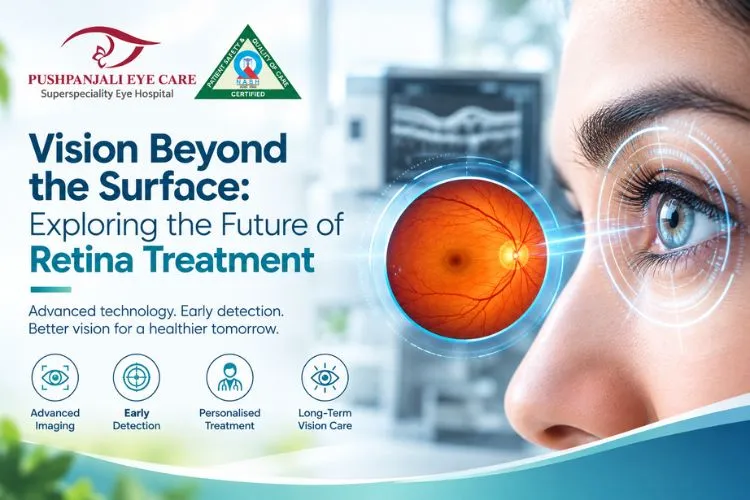
One of the most significant developments in modern retina care is the increasing use of advanced imaging technologies. Instead of relying only on what can be observed during a conventional eye examination, specialists can use detailed images to assess different retinal structures.
Optical coherence tomography (OCT), for example, can create cross-sectional images of retinal layers. Other imaging approaches may help specialists examine retinal blood vessels, circulation and structural changes.
These technologies can support earlier identification and monitoring of conditions such as diabetic retinal changes, macular disorders and other retinal abnormalities.
The goal is not simply to produce more images. It is to obtain useful clinical information that can help an eye specialist understand what is happening inside the eye and determine the appropriate next step.
From Detection to Personalised Treatment
Modern retina treatment is increasingly centred around the individual patient rather than using a single approach for everyone.
The appropriate treatment depends on the underlying condition, its severity, the patient’s overall eye health and other medical factors. Depending on the diagnosis, management may involve observation and regular monitoring, medication-based treatment, laser procedures, injections or surgery.
This personalised approach is particularly important because retinal conditions can behave differently from one patient to another. Regular follow-up may also help specialists understand whether a condition is stable or changing over time.
The Connection Between Systemic Health and Retina Health
The retina can sometimes reflect changes associated with broader health conditions. Diabetes is a major example. Persistently elevated blood sugar can affect retinal blood vessels and contribute to diabetic retinopathy.
High blood pressure and other vascular risk factors can also have implications for eye health. This makes communication between patients and healthcare professionals important.
Sharing relevant medical history, medications and existing health conditions with an eye specialist can provide useful context during an eye examination. Eye care should therefore be viewed as part of overall health management rather than as an isolated concern.
Retina Care Is Different from Laser Vision Correction
It is also important to understand that different eye problems require different forms of specialist care. Lasik eye surgery in Kolkata is generally associated with refractive correction, where laser technology is used to reshape the cornea to reduce dependence on glasses or contact lenses in suitable candidates.
LASIK and retinal treatment address different parts of the eye and different clinical concerns. Someone considering laser vision correction still needs an appropriate eye examination to determine whether the procedure is suitable.
Understanding this distinction can help patients avoid assuming that every vision problem can be addressed through the same procedure.
Why Glaucoma and Retina Care Should Not Be Confused
Glaucoma is another major eye condition, but it primarily involves progressive damage to the optic nerve, often associated with elevated eye pressure. Retina disorders involve the retinal tissues and can have different causes, symptoms and treatment approaches.
Patients researching glaucoma treatment in Kolkata may encounter information about pressure-lowering medicines, laser procedures or surgery. However, treatment decisions depend on the type and stage of glaucoma and the patient’s individual circumstances.
Because the retina, optic nerve and other structures work together to produce vision, a comprehensive eye examination can be important when symptoms are unclear.
Cataract, Retina and the Bigger Vision Picture
Cataracts involve clouding of the eye’s natural lens and are different from retinal diseases. cataract surgery can restore clearer vision for suitable patients, but the final visual outcome may also depend on the condition of other parts of the eye.
This is one reason why a detailed eye evaluation can be valuable before cataract surgery. Identifying retinal or optic nerve conditions may help doctors develop a more complete understanding of a patient’s visual potential.
People researching cataract surgery cost in Kolkata should therefore look beyond the procedure price alone. The total treatment plan may depend on factors such as the type of surgery, lens selection, diagnostic evaluation, surgeon’s assessment and follow-up requirements.
What Could the Future of Retina Care Look Like?
The future of retina care is likely to involve greater integration of advanced imaging, digital health records, artificial intelligence-assisted image analysis and personalised treatment planning.
Artificial intelligence is already being researched and used in ophthalmic imaging workflows to help identify patterns associated with certain retinal conditions. However, technology is best viewed as a support tool rather than a replacement for clinical judgement.
The combination of detailed imaging, specialist expertise and patient-specific information may allow eye-care teams to detect changes earlier and monitor treatment more precisely.
For patients, the most important development may not be a single new machine or procedure. It may be the gradual shift toward earlier detection, better monitoring and more personalised decision-making.
When Should You Consider a Retina Evaluation?
Consider discussing a retina evaluation with an eye-care professional if you experience:
- Sudden or increasing floaters
- Flashes of light
- A curtain-like shadow across your vision
- New distortion or wavy lines
- Sudden changes in central vision
- Unexplained or progressive visual blurring
- Vision changes associated with diabetes or other systemic conditions
Sudden changes in vision should receive prompt professional attention because some retinal conditions can require timely assessment.
Choosing the Right Approach to Retina Care
Choosing an eye-care provider should involve more than looking at a single treatment or procedure. Patients can consider the availability of appropriate diagnostic technology, specialist expertise, treatment options, follow-up care and the clarity with which their condition is explained.
A good consultation should give patients an opportunity to understand their diagnosis, available options, expected monitoring and reasons behind the recommended treatment.
At Pushpanjali Eye Care, the focus is on providing structured eye-care support across different areas of ophthalmology, with appropriate evaluation helping guide treatment decisions according to individual needs.
Conclusion
The future of retina treatment is moving toward a more detailed and personalised understanding of vision. Advanced imaging, earlier detection and improved monitoring are helping specialists look beyond obvious symptoms and assess subtle changes inside the eye.
For patients, the key message is simple: protecting vision is not only about correcting blurry eyesight. It is also about understanding the health of the retina, optic nerve, lens and other structures that work together to create sight.
Regular examinations, awareness of warning signs and timely specialist consultation can all play an important role in maintaining long-term eye health.
Frequently Asked Questions
Q. What does a retina specialist do?
A. A retina specialist focuses on diagnosing and managing conditions affecting the retina and related structures at the back of the eye. Depending on the condition, treatment may include monitoring, medicines, injections, laser procedures or surgery.
Q. When should I see a retina specialist?
A. You may need a retinal evaluation if you experience sudden floaters, flashes, distorted vision, unexplained vision loss or other significant changes in eyesight. People with certain medical conditions may also benefit from regular retinal monitoring.
Q. Is retina treatment the same as LASIK?
A. No. LASIK primarily addresses refractive errors by reshaping the cornea, while retinal treatments address conditions affecting the retina. A detailed examination is needed to determine the appropriate treatment for a specific vision problem.
Q. Can diabetes affect the retina?
A. Yes. Diabetes can affect retinal blood vessels and may lead to diabetic retinopathy. Regular eye examinations can help identify retinal changes and support timely management.
Q. Does cataract surgery treat retinal problems?
A. No. Cataract surgery treats clouding of the natural lens. If a patient also has a retinal condition, that condition may require separate evaluation and management.
Q. Why is advanced retinal imaging important?
A. Advanced imaging can provide detailed information about retinal structures and help specialists identify, monitor and assess certain abnormalities more precisely. The results are interpreted alongside the patient’s symptoms and clinical examination.
Blog Development Credit
This article was crafted using insights from advanced AI research platforms such as ChatGPT and Google Gemini to ensure up-to-date industry knowledge and valuable perspectives. The content strategy, optimization, and final publishing were managed by Pushpanjali Eye Care.