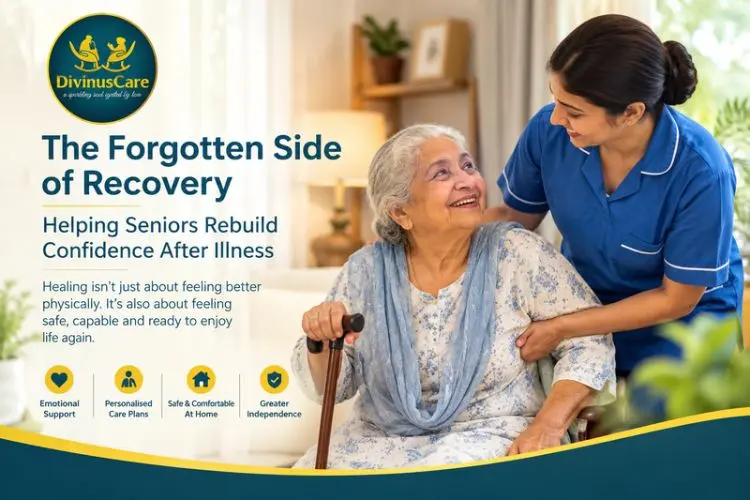
Recovering from an illness involves more than healing the body. Older adults may feel uncertain about walking independently, managing daily tasks, or returning to familiar routines, even after their physical health improves. Rebuilding confidence requires patience, achievable goals, emotional reassurance, and the right practical support. With thoughtful senior citizen care Kolkata, families can help older loved ones regain trust in their abilities and gradually reconnect with everyday life.
Why Does Confidence Often Decline After an Illness?
An illness can change how an older person sees their own abilities. A hospital stay, surgery, infection, or prolonged period of bed rest may interrupt ordinary activities and leave seniors feeling less capable than before.
Consider an older adult who previously walked to the neighbourhood shop every morning. After recovering from pneumonia, the person may have enough physical strength to walk short distances but still worry about becoming breathless or falling. That hesitation is not necessarily a lack of motivation. It may reflect a genuine fear of experiencing the same health problem again.
Several factors can contribute to this loss of confidence:
- Fear of falling or reinjury: One difficult experience can make familiar movements feel risky.
- Reduced physical stamina: Activities that once felt effortless may now require rest and planning.
- Loss of control: Depending on others for bathing, dressing, or moving around can feel frustrating.
- Emotional strain: Worry, embarrassment, and frustration may make recovery harder to navigate.
- Changing family dynamics: When relatives become overly protective, seniors may feel that others no longer trust their abilities.
Recognising these concerns helps families respond with understanding rather than pressure.
What Does Confidence-Based Recovery Mean?
Confidence-based recovery means helping an older adult gradually regain trust in their abilities while respecting their current physical limitations. It combines appropriate rehabilitation, emotional support, safe opportunities to practise daily activities, and realistic expectations.
The aim is not to make seniors do everything independently as quickly as possible. It is to help them participate in life again without unnecessary fear or avoidable risk.
For example, if an older person feels nervous about walking to the bathroom, the first goal might be completing a short, supervised walk using a prescribed walking aid. Once that becomes comfortable, the next goal can be introduced according to the recovery plan recommended by their healthcare professional.
How Can Families Help Seniors Rebuild Confidence?
1. Start with Small, Achievable Goals
Large expectations can make recovery feel overwhelming. Instead, break everyday activities into manageable steps that match the senior’s medical condition and abilities.
A useful approach is to identify one meaningful activity, agree on a realistic goal, practise it safely, and acknowledge progress. Depending on the individual’s recovery plan, this might mean sitting comfortably for a meal, dressing with less assistance, or walking a short distance with support.
Progress will not always be linear. A difficult day does not erase earlier improvement, and rest should remain part of the plan.
2. Encourage Independence Without Withdrawing Support
Families often help because they care. However, doing every task for a recovering senior can unintentionally reinforce the belief that they are no longer capable.
Instead of immediately taking over, ask, “Would you like to try this yourself, or would you prefer some help?” Give the person enough time to respond and complete the task safely.
Offer assistance when it is needed, particularly with activities that involve a risk of falling or other injury. The goal is supported independence, not independence at any cost.
3. Recognise Effort, Not Just Results
Confidence grows when people feel that their efforts matter. A senior who practises standing with assistance, follows rehabilitation exercises, or attempts a familiar task deserves encouragement even if the activity remains difficult.
Specific reassurance is often more meaningful than general praise. Saying, “You managed that transfer more steadily today,” identifies genuine progress without creating pressure to improve every day.
4. Reintroduce Familiar Routines
Familiar activities can help older adults reconnect with their identity beyond being a patient. Listening to favourite music, helping with a simple household decision, speaking with friends, or enjoying a preferred hobby may restore a sense of normality.
Choose activities that fit the person’s energy level and medical guidance. A short conversation or a few minutes spent tending to a plant may be more appropriate than a long outing during early recovery.
How Can Families Build a Practical Confidence-Recovery Plan?
A structured plan makes progress easier to recognise and helps family members avoid setting conflicting expectations.
- Understand current limitations: Ask the treating healthcare professional which activities are appropriate and which precautions are necessary.
- Identify one personal priority: Find out what the senior most wants to do again, rather than choosing goals entirely on their behalf.
- Divide the activity into steps: Start with a manageable task and increase its difficulty only when appropriate.
- Agree on the right assistance: Decide when supervision, mobility aids, or hands-on support are needed.
- Review progress together: Discuss what feels easier, what remains worrying, and whether the plan needs adjustment.
Keep the plan flexible. Some people recover steadily, while others experience fatigue, setbacks, or complications that require professional reassessment. If a new symptom appears or an existing symptom worsens, do not assume it is simply part of ageing or recovery.
When Is Professional Home Support Helpful?
Professional support can be valuable when a senior needs assistance with daily activities, medication routines, mobility, personal hygiene, or ongoing observation during recovery. It can also help families understand how to provide appropriate assistance without unintentionally discouraging independence.
A trained nurse for home Kolkata may assist with nursing care, prescribed medication routines, wound care where appropriate, monitoring, and communication with the family and healthcare team. The specific services required depend on the person’s condition and care plan.
Caregivers can also support safe daily routines and encourage seniors to participate in activities within their abilities. Where rehabilitation is needed, exercises and mobility training should be guided by appropriately qualified professionals.
Families should also know when a situation requires urgent attention. Sudden confusion, new weakness on one side, severe breathing difficulty, chest pain, or a sudden change in consciousness warrants immediate emergency medical assessment. In such situations, contact local emergency services or seek urgent care rather than relying on routine home support. Families looking for information about emergency medical service Kolkata can explore the relevant service information while prioritising immediate medical attention when needed.
What Should Families Avoid During Recovery?
- Comparing recovery with others: Different illnesses, health conditions, and personal circumstances produce different recovery timelines.
- Using fear as motivation: Repeated warnings can make a senior more anxious about attempting everyday tasks.
- Rushing progress: Increasing activity too quickly may cause exhaustion or create avoidable risks.
- Ignoring emotional changes: Persistent sadness, anxiety, withdrawal, or loss of interest deserves attention and may require professional assessment.
It is equally important to avoid treating every hesitation as stubbornness. A senior may be communicating discomfort, pain, dizziness, fatigue, or a concern that needs to be addressed before an activity can be attempted safely.
Frequently Asked Questions
Q. Why do seniors lose confidence after an illness?
A. Illness can reduce strength and stamina while increasing fear of falling, reinjury, or needing help. Hospital experiences and interrupted routines may also affect emotional well-being and independence.
Q. How can I help my elderly parent feel confident after hospital discharge?
A. Follow the discharge instructions, set small achievable goals, encourage safe participation in daily activities, and recognise effort. Ask the healthcare team about appropriate mobility, rehabilitation, and follow-up care.
Q. How long does it take an older adult to regain confidence?
A. There is no fixed timeline. Recovery depends on the illness, existing health conditions, physical function, emotional well-being, and available support. Progress should be reviewed individually with the relevant healthcare professionals.
Q. Can home nursing support emotional recovery?
A. Home nursing can support prescribed care, daily routines, monitoring, and communication with family members. Consistent, respectful assistance may help seniors feel more secure, although nursing support does not replace mental health treatment or specialist rehabilitation when needed.
Q. When should families seek professional help for a senior who is afraid to resume daily activities?
A. Seek professional advice when fear persists, prevents essential activities, or accompanies pain, dizziness, repeated falls, significant mood changes, or declining function. Sudden or severe symptoms require urgent medical assessment.
Conclusion: Recovery Should Restore Confidence, Too
Helping a senior recover means looking beyond medical milestones and recognising the everyday moments that make life feel manageable again. A familiar routine, a patient conversation, or the chance to complete a task with appropriate support can gradually rebuild confidence.
For families, the most useful question is not simply, “Are they better now?” It is, “What would help them feel comfortable and capable today?” With patience, personalised care, and realistic expectations, older adults can work towards a recovery that supports both physical well-being and a renewed sense of self.
Blog Development Credit
This article was crafted using insights from advanced AI research platforms such as ChatGPT and Google Gemini to develop informative, reader-focused content on senior recovery and emotional well-being. The content strategy, SEO optimization, and final publishing were managed by DivinusCare, with a focus on helping families support older adults in rebuilding confidence, independence, and comfort after illness.