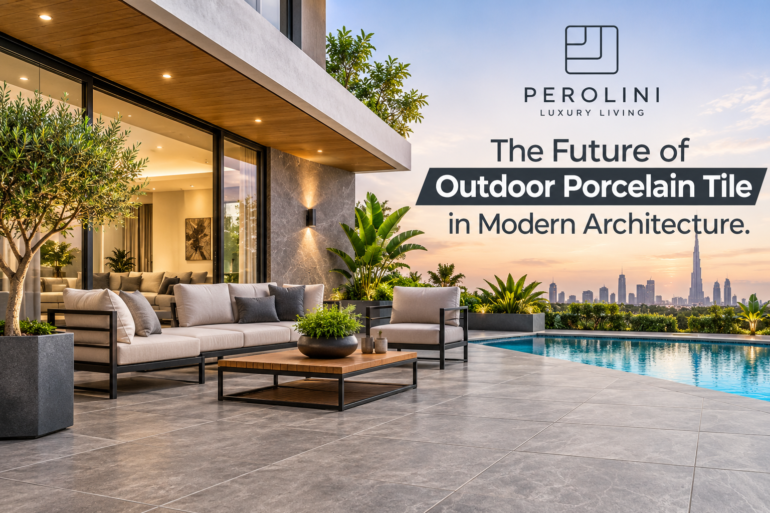
Modern architecture is changing the way we experience outdoor spaces. Patios, terraces, balconies, and garden pathways are no longer treated as separate areas; they are becoming natural extensions of the home. As design expectations evolve, homeowners and architects are looking for materials that combine visual appeal, durability, and practicality. Porcelain tiles are increasingly part of that conversation.
The growing interest in Outdoor Porcelain Tile reflects a broader shift towards smarter exterior design. Architects appreciate its versatility, while homeowners value its ability to create attractive surfaces without demanding complicated maintenance. Looking ahead, this material is likely to play an even more interesting role in contemporary residential and commercial architecture.
1. Seamless Connections Between Indoor and Outdoor Living
One noticeable architectural trend is the blending of indoor and outdoor environments. Large glass doors, open terraces, and connected garden spaces make homes feel more spacious and welcoming. Flooring plays a surprisingly important role in achieving this effect.
Using coordinated porcelain tiles across indoor and outdoor areas can create a continuous visual experience. Similar colours, patterns, and finishes help connect the spaces without making either area feel repetitive.
For example, a modern villa might feature warm stone-effect flooring in its living room and a complementary textured version across the adjoining patio. The result feels intentional rather than like two unrelated design choices.
2. Natural-Looking Designs Will Continue to Grow
Architecture is increasingly embracing materials and finishes inspired by nature. Stone textures, earthy shades, concrete appearances, and subtle wood effects are becoming popular choices for exterior surfaces.
Porcelain technology makes it possible to reproduce these visual details while offering a manufactured surface with consistent dimensions and finishes. This gives designers considerable freedom when planning outdoor environments.
Design directions worth watching
- Natural stone effects: Bring an elegant, timeless character to terraces, pathways, and garden seating areas.
- Concrete-inspired finishes: Complement minimalist architecture and contemporary commercial developments.
- Wood-look surfaces: Introduce warmth without relying on natural timber for every exterior flooring application.
- Earthy colour palettes: Beige, grey, sand, and muted brown shades create a relaxed connection with surrounding landscapes.
These designs are not simply about following trends. They allow architects to create outdoor environments that feel comfortable and visually connected to their surroundings.
3. Durability Will Remain a Major Design Priority
Outdoor flooring has a different job from indoor flooring. It must deal with sunlight, rain, temperature changes, dust, and regular foot traffic. A beautiful surface is of little use if it becomes difficult to maintain or unsuitable for its environment.
Porcelain is valued for its low water absorption, hard-wearing surface, and resistance to many everyday stains. However, performance depends on selecting the right product for the intended application.
When choosing exterior tiles, architects and property owners should pay attention to:
- Slip resistance: Select an appropriate textured finish for wet areas, pool surroundings, and exposed walkways.
- Weather suitability: Check the manufacturer’s technical specifications for the local climate and installation conditions.
- Surface strength: Confirm that the tile is rated for the expected pedestrian or vehicular traffic.
- Installation quality: Use suitable exterior adhesives, grout, drainage, and substrate preparation.
These details matter because even a premium tile can underperform when the installation does not account for outdoor conditions.
4. Outdoor Architecture Will Embrace More Functional Spaces
Today’s outdoor spaces are expected to do more than look attractive. A terrace might become a dining area, a rooftop might function as a social lounge, and a garden pathway may connect several entertainment zones.
This shift creates demand for materials that can support different design requirements. Porcelain Tiles Outside can help architects develop coordinated flooring schemes for these varied spaces, provided the selected product is suitable for each application.
Consider a commercial hospitality project. The entrance, outdoor dining area, and landscaped seating section may all need different surface characteristics. A carefully selected porcelain collection can maintain a consistent design language while allowing practical differences in texture and finish.
5. Sustainability and Smarter Material Choices
Environmental considerations are becoming more important in architectural planning. Designers are paying closer attention to material lifespan, manufacturing practices, maintenance requirements, and the resources needed throughout a building’s life.
Porcelain can contribute to long-lasting exterior surfaces, potentially reducing the need for frequent replacement when properly selected and installed. Still, sustainability should never be judged by appearance or durability alone. Manufacturing energy, transportation, packaging, and sourcing also deserve attention.
Buyers can make more informed decisions by asking manufacturers about:
- Recycled content and responsible raw material sourcing.
- Environmental product declarations or other verified environmental documentation.
- Manufacturing energy and water management practices.
- Expected product lifespan and maintenance requirements.
For homeowners exploring coordinated interior and exterior finishes, A Guide To Choosing Tiles That Work Beautifully With Wooden Furniture offers another useful perspective on combining flooring materials with natural design elements.
6. Technology Will Expand Creative Possibilities
Digital printing and improvements in ceramic manufacturing have already transformed tile design. More detailed textures, realistic surface patterns, and varied finishes give architects greater control over the final appearance of a project.
In the coming years, continued improvements in manufacturing may offer even more options for customized exterior environments. Large-format tiles, coordinated collections, and carefully developed surface textures can help create distinctive architectural statements.
However, bigger or more decorative tiles are not automatically better. Their suitability depends on the space, installation conditions, drainage requirements, and intended use.
Frequently Asked Questions (FAQs)
1. Why are porcelain tiles popular in modern outdoor architecture?
Porcelain tiles offer design flexibility, low water absorption, durability, and relatively easy maintenance. Their variety of colours, textures, and finishes makes them suitable for many contemporary exterior applications.
2. Are porcelain tiles suitable for outdoor patios?
Yes. Exterior-rated porcelain tiles can be suitable for patios when they have appropriate slip resistance, strength, and weather suitability. Professional installation is equally important for long-term performance.
3. What outdoor porcelain tile designs are trending?
Natural stone effects, concrete-inspired finishes, wood-look designs, large-format tiles, and earthy colour palettes are popular choices for contemporary outdoor spaces.
4. Do outdoor porcelain tiles require extensive maintenance?
Generally, porcelain tiles are relatively easy to maintain. Regular sweeping and cleaning with suitable products usually help keep them looking attractive. Proper grout and installation maintenance are also important.
Final Thoughts
The future of outdoor porcelain tile is closely connected to the changing expectations of modern architecture. Homeowners want beautiful spaces that are practical, while architects seek materials that offer creative freedom without overlooking performance. With evolving designs, improved manufacturing, and thoughtful installation, porcelain tiles can help shape outdoor environments that remain attractive and functional for years. The real opportunity lies in choosing the right tile for the right space.
Listen Here: Click Now