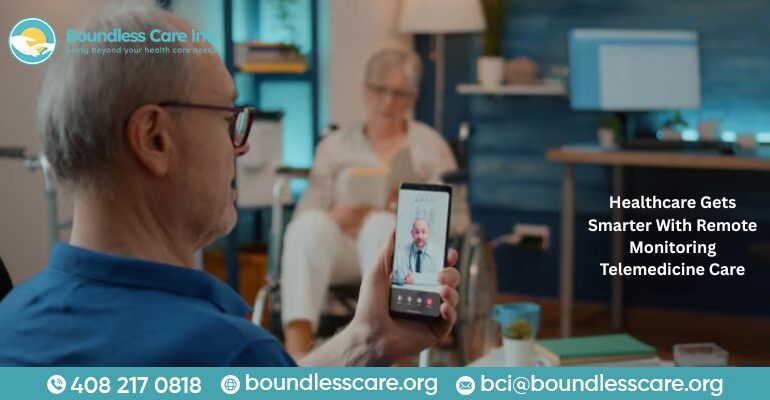
Healthcare is changing faster than ever, and technology is helping patients receive support beyond traditional hospital settings. Remote monitoring telemedicine is becoming a valuable part of modern care by connecting patients and healthcare providers in real time. With solutions like telehealth patient monitoring, medical teams can track health updates, provide guidance, and encourage better outcomes from a distance.
Understanding Remote Monitoring Telemedicine
Remote monitoring telemedicine combines digital healthcare technology with professional medical support to monitor patients outside clinics and hospitals. Instead of relying only on occasional appointments, healthcare providers can receive regular updates about a patient’s condition and respond when necessary.
This approach is especially beneficial for people managing chronic health conditions such as diabetes, heart disease, high blood pressure, and respiratory disorders. According to the Office of the National Coordinator for Health Information Technology, telehealth tools help improve healthcare access by allowing patients and providers to communicate through secure digital platforms.
The idea behind remote healthcare is simple: keep patients connected, identify concerns earlier, and make healthcare more convenient.
How Remote Monitoring Is Changing Patient Care?
Moving from Reactive to Preventive Healthcare
Traditional healthcare often focuses on treating problems after symptoms become serious. Remote monitoring introduces a more preventive approach by allowing doctors to observe health patterns continuously.
For example, a patient managing a heart condition may use connected devices to share important health information regularly. If unusual changes appear, healthcare professionals can review the data and suggest timely action before the condition becomes more complicated.
This shift from reaction to prevention is one of the biggest reasons remote monitoring is transforming modern healthcare.
Making Chronic Disease Management Easier
Living with a chronic illness requires consistent attention. Regular hospital visits may become difficult due to travel challenges, busy schedules, or physical limitations. Remote monitoring offers a practical way to maintain healthcare communication without interrupting everyday life.
Some important ways remote monitoring improves chronic care include:
- Tracking health trends between medical appointments
- Helping doctors adjust care plans based on updated information
- Encouraging patients to take an active role in managing their health
- Reducing unnecessary emergency visits
Improving Access Through Digital Healthcare
One of the strongest advantages of remote monitoring telemedicine is improved accessibility. Patients who live far from healthcare facilities or have difficulty travelling can still receive professional guidance.
This is particularly meaningful for seniors who prefer to remain independent while receiving necessary medical support. Families exploring technology-based care options can learn more from resources such as Telehealth for Seniors: The Smartest Aging in Place Solution for Modern Families.
Digital healthcare solutions are helping create a future where quality medical support is not limited by location.
The Role of Telecare Services in Modern Healthcare
As healthcare systems continue to evolve, telecare services are becoming an important part of patient support. Programs such as telecare monitoring services in Santa Clara allow patients to stay connected with healthcare professionals while receiving care from home.
These services are useful for individuals recovering after treatment, senior care in Santa Clara requiring regular observation, and patients managing long-term health concerns. Instead of replacing traditional medical care, telecare adds another layer of support between appointments.
Why Healthcare Providers Are Embracing Remote Monitoring?
Healthcare providers benefit from remote monitoring because it gives them a clearer picture of patient health. A single appointment provides only a snapshot, while continuous monitoring creates a broader understanding of daily health patterns.
With better information, providers can offer more personalized recommendations and identify potential risks sooner.
Key advantages for healthcare professionals include:
- Improved decision-making through regular patient data
- More efficient management of chronic conditions
- Better communication with patients outside clinical settings
The Future of Connected Healthcare
Remote monitoring telemedicine is becoming a foundation of modern healthcare because it supports convenience, prevention, and personalized treatment. As technology continues to improve, digital healthcare solutions are expected to become even more integrated into everyday medical practices.
Successful remote healthcare depends on three important elements:
- Secure technology that protects patient information.
- Skilled healthcare professionals who interpret health data effectively.
- Patients who actively participate in their care journey.
When these elements work together, healthcare becomes more responsive and patient-focused.
Frequently Asked Questions
1. What is remote monitoring telemedicine?
Remote monitoring telemedicine uses digital technology to collect health information and allow healthcare professionals to monitor patients without requiring frequent physical visits.
2. How does remote monitoring improve healthcare?
It improves healthcare by enabling early detection of health changes, supporting chronic disease management, and helping doctors provide timely medical guidance.
3. Who can benefit from remote monitoring services?
Patients with chronic illnesses, seniors, recovering patients, and individuals needing regular health monitoring can benefit from remote monitoring solutions.
4. Is remote monitoring a replacement for hospital care?
No, remote monitoring complements traditional healthcare by providing additional support, communication, and health tracking between medical visits.
Final Thoughts
Remote monitoring telemedicine is reshaping healthcare by bringing medical support closer to patients’ daily lives. By improving communication, encouraging prevention, and making healthcare more accessible, it creates a smarter approach to managing health in the modern world.