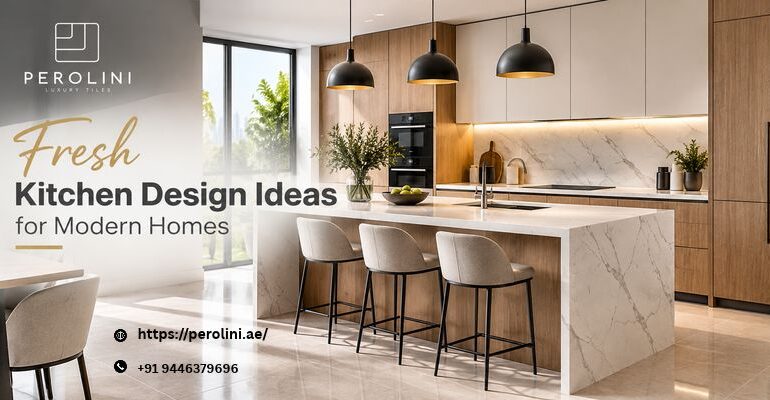
A modern kitchen should do more than look beautiful. It needs to handle busy mornings, family meals, cooking experiments, and the occasional splash of sauce without losing its charm. That is where thoughtful wall finishes make a difference. The right tiles can bring personality, simplify cleaning, and help your kitchen feel like a natural extension of your home.
Why Contemporary Kitchen Tiles Are Worth Considering?
Kitchen walls face a different set of challenges from those in a bedroom or living room. Steam, oil splashes, food stains, and frequent cleaning can gradually affect surfaces that are not designed for demanding conditions. Tiles offer a durable, easy-to-maintain option, particularly around cooking areas, sinks, and countertops.
Contemporary design also leaves plenty of room for individuality. A simple backsplash can become a focal point, while a full-height tiled wall can make the kitchen feel more cohesive. Rather than covering every surface with a dramatic pattern, many homeowners prefer one distinctive feature surrounded by calmer materials.
This approach works especially well in modern interiors, where clean lines and carefully chosen details often create a stronger impression than excessive decoration.
Kitchen Wall Tile Trends That Feel Fresh and Timeless
1. Natural colours and stone-inspired finishes
Warm beige, soft grey, creamy white, and earthy brown remain appealing choices because they work with a wide range of cabinets and countertops. Stone-inspired tiles add visual texture without requiring the maintenance associated with some natural materials. They can also create a welcoming atmosphere that feels less clinical than an entirely white kitchen.
2. Bold geometric patterns
Hexagons, elongated rectangles, and carefully arranged geometric shapes bring movement to a kitchen wall. If your cabinets are plain, patterned tiles can introduce just enough character. For a more restrained result, use a contrasting grout colour or a distinctive arrangement rather than combining several competing patterns.
3. Glossy finishes and larger formats
Glossy tiles reflect light and can help a darker kitchen feel brighter. Larger-format tiles, meanwhile, create a cleaner appearance with fewer grout joints. Both choices have practical considerations: glossy surfaces may reveal smudges, while large tiles require a suitably prepared wall and skilled installation.
When exploring these options, think about how the room looks throughout the day. A finish that appears subtle under showroom lighting may feel much brighter beside a sunny window or under strong task lighting.
Choosing the Right Tile Material for Your Kitchen
Appearance matters, but material selection deserves equal attention. Ceramic and porcelain are two popular choices, although their properties are not identical. Ceramic tiles are available in a wide range of colours, shapes, and decorative finishes, making them useful for creative designs. Porcelain tiles are generally denser and have lower water absorption, which can be beneficial in demanding environments.
Explore Ceramic Tiles when comparing colours, surface finishes, and formats for your kitchen renovation. Check the manufacturer’s specifications for the intended application, cleaning requirements, and installation method rather than assuming every tile is suitable for every wall.
Before making your final selection, keep these practical points in mind:
- Cleaning requirements: Choose a surface that can handle regular wiping without requiring complicated maintenance.
- Heat and moisture exposure: Confirm that the tile and installation materials are suitable for the location, especially near cooking appliances and sinks.
- Grout colour: A complementary shade creates a subtle finish, while contrasting grout highlights the tile layout.
- Lighting conditions: Test samples under your actual kitchen lighting before ordering a large quantity.
How to Create a Balanced Kitchen Tile Design?
A successful design usually begins with the elements that are already fixed. Cabinet colours, countertop materials, flooring, and lighting all influence how your tiles will look. For instance, patterned backsplash tiles may pair beautifully with plain cabinetry, while textured neutral tiles can soften the appearance of sleek, handleless cupboards.
Tile arrangement matters, too. A traditional horizontal layout can make a wall feel orderly, while vertical placement may draw the eye upward. Herringbone arrangements introduce movement, and stacked layouts suit minimalist spaces. For more inspiration, explore Top Tile Layout Patterns That Will Redefine Your Kitchen Aesthetic.
To keep the design cohesive, try this simple planning process:
- Select two or three main colours from your cabinets, counters, and flooring.
- Choose a tile finish that complements those colours instead of competing with them.
- Compare physical samples in daylight and artificial lighting.
- Plan grout joints, edge trims, and corners before installation begins.
It is also worth discussing wall preparation, waterproofing where required, and suitable adhesives with your installer. Even premium tiles can disappoint if the surface underneath is uneven or the joints are poorly finished.
Frequently Asked Questions
1. Which tiles are best for modern kitchen walls?
Ceramic and porcelain tiles are popular choices because they offer varied designs and practical cleaning options. The best option depends on your budget, preferred appearance, exposure conditions, and the manufacturer’s recommendations.
2. Are glossy or matte kitchen wall tiles better?
Glossy tiles reflect light and can brighten a room, while matte finishes offer a softer, understated appearance. Consider lighting, visible smudges, cleaning needs, and the look of your cabinets before deciding.
3. Which tile colours work well in a small kitchen?
Light neutrals, creamy whites, and pale greys can help a small kitchen feel more open. Reflective finishes may increase brightness, although carefully placed darker accents can add depth without overwhelming the space.
4. How do I maintain kitchen wall tiles?
Wipe splashes promptly with a suitable cleaner, follow the manufacturer’s care instructions, and clean grout regularly. Avoid abrasive products unless they are specifically approved for your tile and grout materials.
Final Thoughts
Contemporary kitchen wall tiles offer an easy way to bring style and everyday functionality together. Whether you prefer natural textures, clean geometric lines, or timeless neutral shades, the best choice is one that suits your cooking habits as well as your interior design. Take time to compare samples, plan the layout, and choose suitable materials. A little thoughtful preparation can make your kitchen more inviting and easier to maintain for years to come.
Listen Here: Click Now