What Is Telehealth Patient Monitoring?
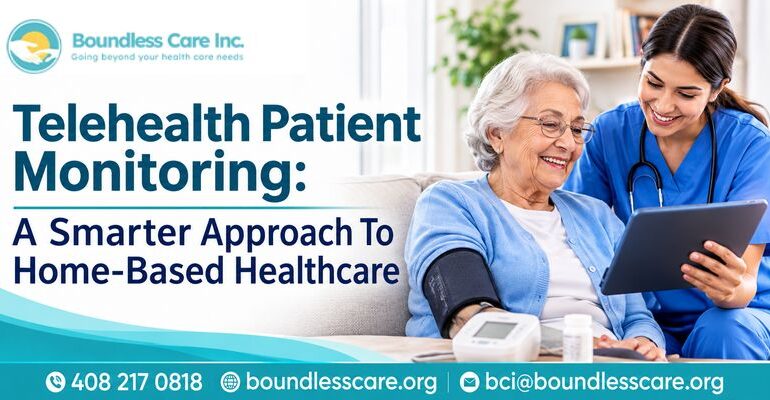
Telehealth patient monitoring, also called Remote Patient Monitoring (RPM), is a healthcare approach that uses digital devices to collect and transmit patient health information to healthcare professionals remotely.
These devices measure important health indicators such as blood pressure, heart rate, blood glucose, oxygen saturation, and body weight. Healthcare professionals review the information and use it to support appropriate care decisions.
Unlike traditional healthcare that often relies on scheduled appointments, remote monitoring allows patients to share health readings between visits. However, it complements rather than replaces necessary in-person medical care.
How Does Remote Patient Monitoring Work?
Remote patient monitoring follows a straightforward process that connects patients, monitoring devices, and healthcare professionals.
1. Patient Assessment and Enrollment
The process begins with an assessment of the patient’s health needs. A healthcare professional determines whether remote monitoring is appropriate based on the patient’s medical condition and care requirements.
2. Setting Up Monitoring Devices
Patients receive suitable connected devices, such as blood pressure monitors, glucose meters, pulse oximeters, or digital weighing scales. They also receive instructions on using the equipment correctly.
3. Collecting and Transmitting Health Data
Patients take readings according to their care plan. Connected devices can automatically transmit measurements to a secure monitoring platform, allowing healthcare teams to review the information remotely.
4. Reviewing Health Information
Healthcare professionals review submitted readings and identify measurements that may require additional attention. When necessary, they contact patients, coordinate with caregivers, or communicate with the treating physician.
Key Benefits of Telehealth Patient Monitoring
1. Better Management of Chronic Conditions
People living with conditions such as hypertension, diabetes, and heart disease often require regular health monitoring. Remote monitoring helps patients share relevant readings with their healthcare providers between appointments.
Consistent information can support treatment reviews and help healthcare professionals identify changes that deserve attention.
2. Greater Independence for Seniors
Many older adults prefer remaining in familiar surroundings rather than making frequent trips to healthcare facilities. Telehealth monitoring supports this goal by making health tracking more accessible at home.
When combined with appropriate senior home care, remote monitoring can help families coordinate daily assistance and healthcare communication while supporting an older adult’s independence.
3. Early Identification of Potential Health Concerns
Regular health readings can help healthcare professionals recognize changes that may require follow-up. For example, an unusual blood pressure measurement or unexpected change in body weight may prompt further assessment.
Early identification does not guarantee that emergencies will be prevented, but timely clinical follow-up can support better-informed care decisions.
4. Improved Communication Between Patients and Providers
Remote monitoring creates additional opportunities for patients, caregivers, and healthcare professionals to exchange relevant health information.
Instead of relying exclusively on information collected during appointments, providers can review readings gathered at home and discuss appropriate next steps.
Common Devices Used in Home-Based Health Monitoring
Different monitoring devices serve different healthcare needs. Common examples include:
- Digital blood pressure monitors: Measure blood pressure and help track hypertension.
- Blood glucose monitors: Help individuals with diabetes monitor blood sugar levels.
- Pulse oximeters: Measure blood oxygen saturation and pulse rate.
- Digital weighing scales: Track weight changes that may be relevant to certain medical conditions.
- Wearable health devices: Track selected measurements such as heart rate and activity, depending on the device.
The appropriate device depends on the patient’s condition, clinical goals, and healthcare professional’s recommendations.
How Telehealth Monitoring Supports Hospital Readmission Prevention
Patients returning home after hospitalization may require additional support during recovery. Remote monitoring can help care teams follow selected health measurements and identify changes that may require clinical attention.
For example, monitoring weight and blood pressure may be useful for certain patients recovering from heart-related conditions. Healthcare professionals can review these measurements alongside symptoms and other clinical information.
For more information, read our guide on The Role of Digital Care Solutions in Reducing Hospital Readmissions.
Why Human Support Matters in Remote Patient Monitoring?
Technology alone cannot provide complete healthcare support. Patients may need help understanding devices, taking accurate measurements, transmitting readings, and communicating concerns.
This is particularly important for seniors who may experience difficulties with unfamiliar technology or digital applications.
Reliable telecare monitoring services should combine accessible devices, clear instructions, appropriate clinical oversight, and a defined process for responding to unusual readings.
Patients and families should also understand who reviews their readings, when follow-up occurs, and whom to contact if symptoms develop.
Privacy and Safety Considerations
Remote monitoring involves sharing personal health information electronically, making privacy and data security essential.
Before choosing a monitoring program, patients and families should consider:
- Whether health information is transmitted securely.
- How personal health data is stored and accessed.
- Who is authorized to review monitoring information.
- How patients receive assistance with device problems.
- What happens when readings fall outside established limits.
- Whether the service explains its limitations and emergency procedures.
Remote monitoring should never be treated as a substitute for emergency medical care. Patients experiencing severe or urgent symptoms should seek immediate medical assistance rather than waiting for a monitoring alert or callback.
Frequently Asked Questions
1. What is telehealth patient monitoring?
Telehealth patient monitoring uses connected medical devices to collect and transmit health information from patients at home to healthcare professionals for remote review and care management.
2. Who can benefit from remote patient monitoring?
Seniors, people managing chronic conditions, and selected patients recovering after hospitalization may benefit when monitoring is clinically appropriate and supported by a healthcare team.
3. Does remote patient monitoring replace doctor visits?
No. Remote monitoring complements traditional healthcare by providing additional health information between appointments. Patients may still need in-person examinations, diagnostic testing, and medical consultations.
4. What devices are used for telehealth monitoring?
Common devices include blood pressure monitors, glucose meters, pulse oximeters, digital weighing scales, and selected wearable health trackers.
5. Is telehealth patient monitoring covered by Medicare?
Eligible remote patient monitoring services may be covered by Medicare in the United States when applicable requirements are met. Coverage and patient costs depend on eligibility, medical necessity, provider requirements, and current Medicare rules.
6. Is remote patient monitoring safe for seniors?
It can be an appropriate healthcare support option when suitable devices, patient education, privacy safeguards, and clinical oversight are provided. It should not replace emergency services or necessary in-person care.
Final Thoughts
Telehealth patient monitoring is creating new opportunities for patients to receive healthcare support while remaining in the comfort of their homes. By combining connected medical devices, regular health tracking, and professional oversight, remote monitoring can support chronic disease management and improve communication between patients, families, and healthcare teams.
For seniors and families, the right combination of technology and compassionate support can make home-based healthcare more accessible and manageable.
Boundless Care Inc. provides telehealth monitoring and senior care support across San Jose and Santa Clara County. Contact our team to learn more about remote monitoring options and how our services can support your family’s healthcare needs.