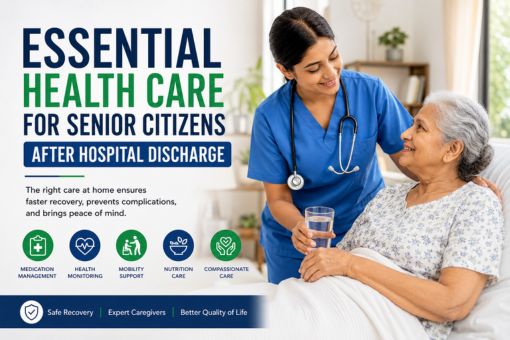
The period immediately after hospital discharge is one of the most critical stages in a senior’s recovery. Proper Health Care for Senior Citizens helps reduce complications, supports faster healing, and minimizes the risk of hospital readmission. With the right medical supervision, medication management, nutrition, and emotional support, older adults can recover safely in the comfort of their own homes while maintaining their independence.
Many families assume the hardest part ends when their loved one is discharged from the hospital. In reality, recovery begins at home. Seniors often require continuous monitoring, assistance with daily activities, and regular follow-up care. A structured care plan makes this transition smoother and provides peace of mind for both patients and family members.
What Is Post-Hospital Health Care for Senior Citizens?
Post-hospital health care for senior citizens refers to the medical, physical, and emotional support provided after discharge to help older adults recover safely, prevent complications, and regain independence.
Key Components of Recovery Care
- Medication management and monitoring
- Regular health assessments
- Wound care and dressing changes
- Mobility and fall prevention assistance
- Nutrition and hydration support
- Follow-up appointments and rehabilitation
These services work together to ensure seniors continue recovering without unnecessary interruptions or avoidable health setbacks.
Also Read: A Compassionate Guide To Talking With Elderly Parents About Home Care Help
Why Is the First Week After Discharge So Important?
The first seven days following hospital discharge are often the most vulnerable. Medication schedules may change, mobility may still be limited, and new symptoms can develop unexpectedly.
Without proper monitoring, seemingly minor issues such as dehydration, infection, or missed medication can quickly become serious. Early intervention during this period significantly improves recovery outcomes and lowers the chance of returning to the hospital.
Step-by-Step Recovery Plan for Seniors
Step 1: Review the Discharge Instructions
Before leaving the hospital, ensure every family member understands medications, dietary restrictions, follow-up appointments, and warning signs that require immediate medical attention.
Step 2: Create a Safe Home Environment
Remove loose rugs, improve lighting, install grab bars where necessary, and organize frequently used items within easy reach. Small adjustments greatly reduce the risk of falls.
Step 3: Monitor Medications Carefully
Use pill organizers or medication reminders to ensure prescriptions are taken correctly. Seniors taking multiple medicines benefit from professional supervision to avoid dosage errors.
Step 4: Encourage Gradual Physical Activity
Light walking, prescribed exercises, or physiotherapy sessions help improve circulation, muscle strength, and confidence without placing excessive strain on the body.
Step 5: Schedule Regular Health Monitoring
Monitoring blood pressure, blood sugar, oxygen levels, and other vital signs helps detect complications before they become emergencies.
Signs That a Senior Needs Professional Home Care
Some seniors recover independently, while others require additional assistance. Recognizing the signs early helps families provide the right level of support.
Common Indicators
- Difficulty walking or maintaining balance
- Confusion about medications
- Poor appetite or dehydration
- Frequent fatigue or weakness
- Need for wound dressing or catheter care
- Memory problems affecting daily routines
Professional caregivers can provide personalized support while allowing family members to focus on emotional encouragement rather than constant medical supervision.
The Role of Nutrition During Recovery
Good nutrition is often underestimated after hospital discharge. Seniors recovering from illness or surgery require balanced meals rich in protein, vitamins, minerals, and fluids to promote tissue repair and maintain energy levels.
Proper hydration is equally important. Even mild dehydration can delay recovery and increase the risk of confusion, urinary infections, and weakness in older adults.
How Professional Caregivers Improve Recovery
Families often balance work, childcare, and other responsibilities, making full-time caregiving difficult. Professional caregivers fill this gap by offering consistent medical and personal assistance.
Many families rely on Senior Citizen Care Services in Kolkata to ensure elderly loved ones receive qualified nursing support, medication reminders, mobility assistance, and compassionate companionship throughout the recovery period.
Benefits of Professional Home Care
- Continuous health monitoring
- Reduced caregiver stress
- Better medication adherence
- Personalized rehabilitation support
- Improved emotional wellbeing
- Lower risk of hospital readmission
Experienced caregivers also provide reassurance to family members by keeping them informed about recovery progress and identifying warning signs early.
Common Mistakes Families Should Avoid
Many recovery challenges are preventable. Families should avoid assuming the patient is fully independent immediately after discharge or delaying follow-up appointments because the senior appears to be improving.
Ignoring nutritional needs, skipping medications, or failing to encourage gentle physical activity can slow recovery significantly. A consistent routine supported by healthcare professionals usually produces the best outcomes.
Frequently Asked Questions
Why is home care important after hospital discharge for seniors?
Home care provides ongoing medical supervision, medication support, and assistance with daily activities, helping seniors recover safely while reducing the risk of complications.
How long should a senior receive post-hospital care?
The duration depends on the medical condition, surgery, or illness. Some seniors recover within a few weeks, while others may require ongoing support for several months.
Can professional caregivers administer medications?
Qualified nurses and trained caregivers can assist with medication management according to medical instructions, ensuring seniors follow their treatment plans correctly.
What conditions commonly require home health care?
Stroke recovery, orthopedic surgery, cardiac procedures, chronic illnesses, fractures, and neurological conditions often benefit from professional home healthcare services.
How can families reduce the risk of hospital readmission?
Following discharge instructions, monitoring health changes, maintaining proper nutrition, attending follow-up appointments, and arranging professional home care all contribute to safer recovery.
Conclusion
Hospital discharge is not the end of treatment—it marks the beginning of recovery. A thoughtful care plan that combines medical supervision, emotional support, proper nutrition, and a safe home environment gives seniors the best opportunity to regain their health with confidence. Investing in quality post-hospital care today often prevents bigger health challenges tomorrow.
Also Read: How to Find the Best Trained Nurse for Home Kolkata
Blog Development Credits:
This blog was thoughtfully conceptualized by Soumyajit Sardar, crafted with the help of advanced AI platforms like ChatGPT, Gemini, and Copilot. Final editing and SEO expertise were provided by DivinusCare.