Flat feet are often harmless, but persistent foot pain, swelling, or difficulty walking can signal a problem that deserves attention. In a busy city like Kolkata, where daily commuting, market visits, and long hours on your feet are common, it is easy to dismiss discomfort as ordinary tiredness. Knowing when to seek professional advice can help protect your mobility.
If your arches appear unusually low or your feet ache after routine activities, consulting a flat feet doctor in Kolkata can help you understand whether treatment is necessary. The important thing is not simply how your feet look, but how they feel and function throughout the day.
Are Flat Feet Always a Medical Problem?
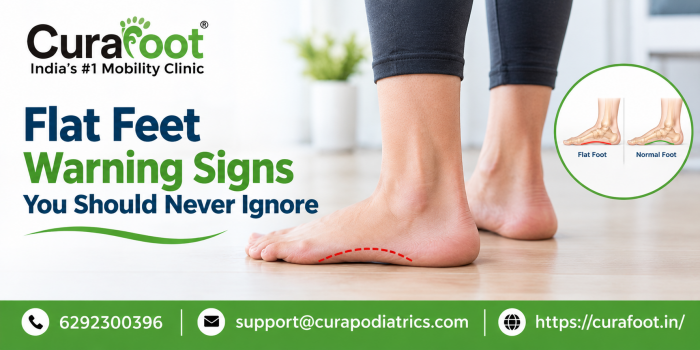
Not necessarily. Flat feet, also called pes planus, occur when the arches along the inside of the feet are low or appear absent when standing. Some people have had flat feet since childhood and experience no pain or limitations. Others develop symptoms as they grow older, gain weight, sustain an injury, or experience changes in the tendons supporting their arches.
Think of your foot arch as a natural suspension system. It helps distribute body weight and supports movement. When that system struggles to manage the demands placed on it, discomfort may develop.
You should pay closer attention if your feet have recently changed shape, one arch seems lower than the other, or activities that once felt easy now cause pain. These changes deserve more attention than a naturally low arch that has never caused trouble.
Five Signs You Should Visit a Flat Feet Doctor
1. Foot pain keeps returning
Occasional soreness after a long walk may improve with rest. However, recurring pain around the arch, heel, or inner ankle should not be ignored. If discomfort continues despite changing footwear or reducing activity, a clinical assessment can help identify the underlying cause.
2. Walking or standing becomes uncomfortable
Do your feet start aching while shopping at Gariahat, walking through a crowded metro station, or standing for extended periods at work? If routine activities regularly leave you uncomfortable, flat feet may be contributing to the problem.
Persistent discomfort can also result from other conditions, including plantar fasciitis or tendon problems. A doctor can help distinguish between them.
3. Your feet or ankles become swollen
Swelling along the inner ankle or arch, particularly when accompanied by pain, may indicate irritation or dysfunction involving the tendons that support the foot. Arrange a medical evaluation rather than repeatedly relying on pain-relief measures.
Sudden, severe swelling, inability to bear weight, or a hot, red foot warrants prompt medical attention, especially after an injury.
4. Your footwear wears unevenly
Check the soles of your everyday shoes. If one side consistently wears down faster, or your shoes seem to tilt inward, your foot mechanics may be affecting how you walk. Uneven wear alone does not confirm flat feet, but it can be a useful clue when combined with pain or changes in balance.
5. Your balance or walking pattern changes
Some people notice that their ankles roll inward, their feet feel tired unusually quickly, or they struggle to walk comfortably for longer distances. Children may appear clumsy during physical activities, while adults may find stairs and extended walks increasingly difficult.
These changes are worth discussing with a specialist, particularly if they are new or getting progressively worse.
When Should Children and Adults Get Checked?
The right time to seek advice depends on age, symptoms, and how the feet function.
- Children: Flat arches are common during early childhood. Arrange an assessment if a child has persistent pain, stiffness, frequent falls, difficulty keeping up with peers, or one foot that looks noticeably different from the other.
- Working adults: Seek help when standing, commuting, or walking for work regularly causes discomfort that affects daily routines.
- Older adults: New arch collapse, increasing ankle pain, or declining walking ability deserves attention because age-related tendon changes and other conditions may contribute.
- People recovering from injuries: If foot pain or changes in arch shape appear after an injury, get evaluated rather than assuming the problem will resolve by itself.
What Happens During a Flat Feet Assessment?
A consultation usually begins with questions about your symptoms, medical history, footwear, and daily activities. The doctor may examine your feet while sitting and standing, observe how you walk, assess ankle movement, and check whether your arches reappear when you rise onto your toes.
Depending on the findings, weight-bearing X-rays or other investigations may be recommended to assess bone alignment or investigate another cause of pain. Not everyone needs imaging.
Bring your usual walking shoes to the appointment if possible. Their wear patterns can provide useful context, and explaining when your discomfort begins can help the doctor understand your everyday challenges.
Understanding Your Treatment Options
Flat feet do not automatically require surgery or even special footwear. Treatment depends on whether the condition causes symptoms, whether it is flexible or rigid, and what is contributing to the discomfort.
Depending on your assessment, the best treatment of flat foot may involve practical measures such as:
- Supportive footwear: Shoes that fit properly and provide suitable arch and heel support may improve comfort during daily activities.
- Custom orthotic insoles: Individualised inserts may help manage symptoms and improve foot comfort for selected patients.
- Stretching and strengthening: Exercises prescribed by a clinician or physiotherapist may improve flexibility, strength, and movement control.
- Activity adjustments: Temporarily reducing painful activities and gradually returning to them can help prevent repeated irritation.
- Further medical treatment: When symptoms are severe, the foot is rigid, or tendon damage is suspected, additional treatment may be necessary. Surgery is generally reserved for selected cases that do not respond adequately to conservative care.
Avoid choosing insoles solely because they promise to correct every flat foot. The right support should match your symptoms, foot structure, and activity needs.
Everyday Habits That Can Help
While awaiting an appointment, you can make a few sensible adjustments if they do not increase your pain:
- Wear comfortable, well-fitting shoes for commuting and prolonged standing.
- Take short breaks during long periods on your feet.
- Increase walking distance and exercise intensity gradually.
- Avoid pushing through sharp or worsening pain.
These measures may improve comfort, but they are not substitutes for an examination when symptoms persist.
Frequently Asked Questions
1. Can flat feet cause knee or back pain?
Flat feet can influence lower-limb alignment and movement, potentially contributing to discomfort in some people. However, knee or back pain has many possible causes, so an individual assessment is important before blaming flat feet.
2. Can flat feet be corrected without surgery?
Many people manage symptomatic flat feet without surgery through appropriate footwear, orthotic support, exercises, and activity modifications. Treatment aims to reduce symptoms and improve function; it may not permanently change the shape of every foot.
3. Should I consult a doctor if my flat feet do not hurt?
If your arches have always been low and you walk comfortably, treatment may not be necessary. Seek an assessment if your foot shape changes, stiffness develops, or walking becomes difficult.
4. When should foot pain be treated urgently?
Seek prompt medical attention for sudden severe pain, significant swelling after an injury, inability to bear weight, or a hot, red foot. Fever accompanying these symptoms also requires urgent assessment.
Final Thoughts
Flat feet are not always a reason to worry, but persistent pain, swelling, changing foot shape, and difficulty walking should never become your new normal. Paying attention to these warning signs can help you find the right approach before everyday activities become harder. If your feet are affecting your comfort or mobility, arrange an assessment with a qualified foot specialist in Kolkata and take the next step towards walking more comfortably.