
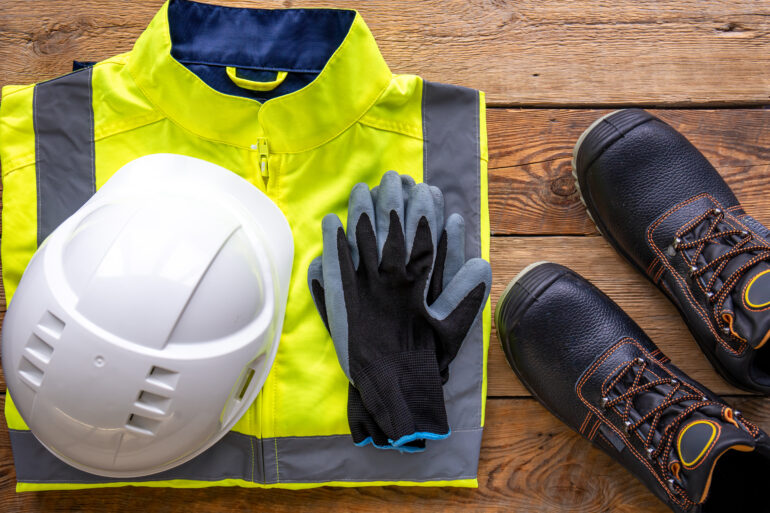
When a workplace needs safety gear, buying a few items at a time can quickly become expensive and inconvenient. That is why many businesses turn to wholesale safety equipment for regular supplies. From protective clothing to emergency essentials, buying in bulk can simplify procurement while helping teams stay prepared for everyday workplace risks.
For companies that also source wholesale & industrial supplies, choosing the right safety products is about more than finding the lowest price. Quality, compliance, durability, availability, and suitability for the job all deserve attention.
Why Businesses Buy Safety Equipment Wholesale
Imagine managing a construction site, warehouse, manufacturing unit, or maintenance team with dozens of workers. Helmets get replaced, gloves wear out, protective eyewear can become scratched, and high-visibility clothing eventually needs renewal. Ordering small quantities every time something runs out creates unnecessary administrative work.
Wholesale purchasing offers a more organized alternative. Businesses can plan their requirements, standardize equipment across teams, and maintain suitable stock instead of waiting until supplies become urgent.
- Better procurement planning: Regular-use items can be ordered according to expected consumption.
- Consistent workplace protection: Teams can receive comparable equipment suited to their specific tasks.
- Reduced purchasing interruptions: Maintaining sensible inventory can prevent last-minute shortages.
- Potential cost advantages: Larger orders may provide more competitive pricing than repeated small purchases.
What Types of Safety Equipment Should You Consider?
There is no universal safety kit for every workplace. A warehouse employee, construction worker, laboratory technician, and electrical maintenance professional may face completely different hazards. The smartest approach is to identify workplace risks first and then match equipment to those risks.
Common Categories of Workplace Safety Gear
- Head protection: Safety helmets and related protective products can help reduce exposure to impact and falling-object hazards.
- Eye and face protection: Safety glasses, goggles, and face shields may be appropriate where workers face dust, flying particles, splashes, or other hazards.
- Hand protection: Gloves should be selected according to the task, whether it involves mechanical handling, chemicals, heat, or general work.
- Protective clothing: Coveralls, high-visibility garments, and other workwear can provide task-specific protection.
- Foot protection: Safety footwear can be important in environments involving heavy objects, sharp materials, slips, or other workplace hazards.
- Respiratory protection: Where airborne hazards exist, the appropriate respiratory equipment should be selected based on the specific exposure and applicable requirements.
Quality Matters More Than a Bulk Discount
It can be tempting to compare wholesale safety equipment suppliers purely on price. That approach can backfire. A product that looks inexpensive on an invoice may become costly if it wears out quickly, fits poorly, or is unsuitable for the intended application.
For safety products, specifications matter. Businesses should review product documentation, applicable standards, sizing information, materials, and intended use before placing a large order. The U.S. Occupational Safety and Health Administration’s PPE guidance emphasizes that personal protective equipment should be appropriate for the hazards present and properly selected and used.
A useful rule of thumb is simple: do not buy a product merely because it is available in bulk. Buy it because it is appropriate for the work.
How to Choose a Wholesale Safety Equipment Supplier
A dependable supplier should make procurement easier, not more complicated. Before committing to a large order, look beyond the product catalogue and consider how the supplier handles quality, communication, stock, and after-sales support.
- Check product specifications: Make sure the equipment matches the intended workplace application.
- Ask about availability: A supplier with dependable stock can make recurring procurement much smoother.
- Review ordering flexibility: Find out whether the supplier can support both regular and larger-volume requirements.
- Compare total value: Consider durability, product quality, delivery, and service rather than unit price alone.
- Discuss recurring needs: If your business regularly consumes PPE, a planned purchasing arrangement may be more efficient.
Why Proper Selection Makes a Difference
Safety equipment works best when it fits the actual environment. A glove designed for one type of task may be unsuitable for another. Likewise, protective eyewear that works well in one setting may not address the hazards found elsewhere.
This is where a practical risk-based approach becomes valuable. The National Institute for Occupational Safety and Health (NIOSH) provides resources on selecting and using personal protective equipment according to workplace hazards.
Businesses should also remember that equipment alone is not the complete safety strategy. Training, proper maintenance, workplace procedures, supervision, and regular replacement all play important roles. Even the best safety helmet will not help much if workers are not trained to use it correctly.
Frequently Asked Questions
What is wholesale safety equipment?
Wholesale safety equipment refers to workplace protective products purchased in larger quantities, often by businesses, contractors, distributors, and organizations with recurring safety requirements.
What safety equipment do most workplaces need?
Requirements vary according to workplace hazards. Common categories include protective helmets, safety eyewear, gloves, footwear, high-visibility clothing, protective workwear, and respiratory protection where applicable.
How can I choose the right wholesale supplier?
Compare product quality, specifications, availability, pricing, delivery capabilities, customer service, and the supplier’s ability to support your recurring requirements.
Is buying safety equipment in bulk cheaper?
Bulk purchasing can offer better unit economics, but price should not be the only consideration. Product suitability, durability, compliance, and reliability are equally important when purchasing safety equipment.
Final Thoughts
Buying wholesale safety equipment is ultimately an exercise in planning. The right products can help businesses maintain consistent protection, simplify procurement, and keep essential supplies available when they are needed. Rather than chasing the cheapest bulk deal, focus on appropriate products, dependable quality, and a supplier that understands the practical demands of your industry.
