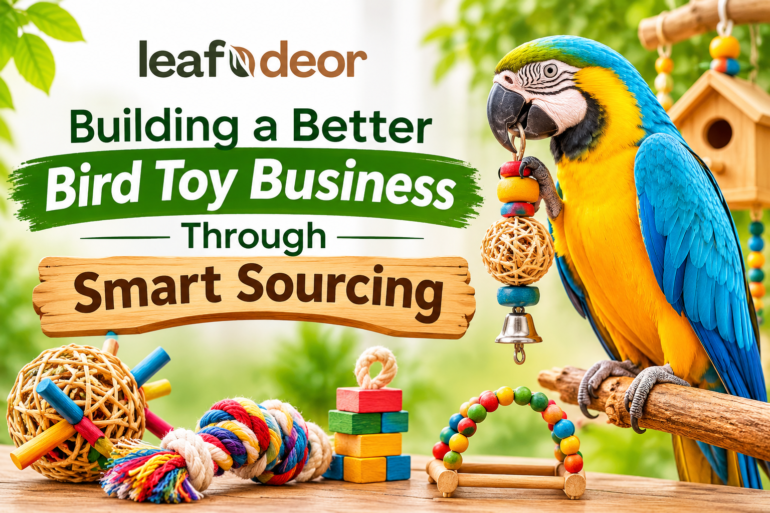
Birds love to explore, chew, shred, and play. For pet retailers and wholesale buyers, this natural behaviour creates an interesting business opportunity. But sourcing bird toys is about more than finding attractive products at competitive prices. The real challenge is finding reliable suppliers, safe materials, and products that customers genuinely want to purchase.
Choosing the right bird chew toys wholesale collection can help retailers build customer trust while maintaining healthy profit margins. Whether you operate a pet shop, distribute bird accessories, or manage an online store, a thoughtful sourcing strategy can make a noticeable difference to your business.
1. Understand What Makes a Good Bird Chew Toy
Before contacting suppliers, understand what bird owners actually look for. Chewing is a natural activity for many companion birds. Toys that encourage exploration, shredding, and problem-solving can make their everyday environment more engaging.
However, not every colourful toy is automatically a good choice. Retailers should prioritise products that combine interesting designs with appropriate construction and material quality.
Some popular product categories include:
- Natural Wooden Toys: Wooden blocks and chewable shapes offer opportunities for natural beak activity.
- Sola Wood Toys: Lightweight wooden components can be used in different toy designs.
- Foraging Toys: These encourage birds to explore and work towards finding hidden treats.
- Shreddable Toys: Paper and suitable natural materials provide opportunities for tearing and exploration.
A varied collection allows retailers to serve different customer preferences instead of depending on one product category.
2. Make Material Safety Your First Priority
Here is something every wholesale buyer should remember: a low purchasing price means very little if the product creates safety concerns. Bird toys are designed to be handled and often chewed, so material selection deserves particular attention.
The Association of Avian Veterinarians recommends appropriate non-toxic toy materials, including untreated wood and certain natural materials. Its household safety guidance also highlights the importance of avoiding potentially dangerous toy components.
Before placing a bulk order, check:
- Whether wooden components are untreated and suitable for the intended bird species.
- Whether dyes, finishes, and adhesives are non-toxic and properly documented.
- Whether metal fittings are appropriate, with preference for bird-safe stainless steel.
- Whether small detachable parts, sharp edges, or loose fibres could create hazards.
Remember, material suitability can vary by bird species and individual chewing behaviour. Retailers should avoid making blanket safety claims without appropriate verification.
3. Choose Suppliers, Not Just Low Prices
Imagine ordering 500 bird toys and discovering that the next batch looks completely different from the original sample. It creates unnecessary problems with product listings, customer expectations, and inventory management.
This is why supplier consistency matters just as much as pricing.
A dependable bird toy supplier should be able to explain its materials, manufacturing process, quality checks, packaging options, and minimum order quantities. Communication should also be straightforward, especially when you need product replacements or clarification.
Before selecting a wholesale partner, consider these factors:
- Request product samples before committing to large orders.
- Compare material quality and finishing across multiple suppliers.
- Ask about production capacity and repeat-order consistency.
- Understand shipping timelines and return policies.
- Check whether product specifications remain consistent between batches.
A slightly higher purchase price may be worthwhile when the supplier offers better reliability and fewer quality-related complications.
4. Explore Natural Materials and Sola Wood Products
Natural-looking bird accessories have an appealing place in modern pet product collections. They offer retailers an opportunity to create attractive assortments while catering to customers who prefer simpler material choices.
For example, sola wood balls for birds can be considered when developing a collection of lightweight, chew-oriented toy components. Their texture and appearance also make them interesting additions to natural-style product ranges.
However, buyers should verify the exact wood species, treatment, construction, and intended bird size before purchasing. Natural does not automatically mean suitable for every bird.
Retailers can also explore complementary products such as natural bird toys, wooden bird accessories, and parrot enrichment toys to create a more complete shopping experience.
5. Build an Inventory Strategy Around Customer Demand
Buying large quantities of every available design might look like an efficient way to reduce purchasing costs, but it can leave money sitting on warehouse shelves.
Instead, begin with a balanced selection. Track which products sell consistently, which designs attract repeat customers, and which items receive the most enquiries.
Consider these practical inventory strategies:
- Start with smaller quantities of unfamiliar designs.
- Keep popular sizes and product styles regularly available.
- Introduce new designs based on customer feedback.
- Review slow-moving stock before placing repeat orders.
This approach helps businesses manage cash flow while keeping their product selection fresh.
6. Understand Your Customers Before Expanding
A small pet shop and a large online distributor do not necessarily need the same product assortment. Some customers prefer affordable chew toys, while others look for specialised enrichment products and distinctive natural designs.
Understanding these differences helps wholesalers make better purchasing decisions.
For additional guidance on evaluating bird accessories and choosing suitable products, explore How to Choose the Best Toys for Your Bird: Important Considerations.
Frequently Asked Questions
1. What should wholesalers check before buying bird chew toys?
They should examine material quality, construction, safety documentation, supplier reliability, packaging, pricing, and consistency between product batches.
2. Why are natural bird toys popular among retailers?
Natural-style toys offer attractive designs and opportunities for chewing, shredding, and enrichment. Their suitability still depends on material quality and the intended bird species.
3. How can retailers find reliable bird toy wholesale suppliers?
Request samples, verify product specifications, compare suppliers, review their quality-control practices, and discuss delivery terms before placing bulk orders.
4. Is buying bird chew toys in bulk profitable?
Bulk purchasing can reduce unit costs and improve stock availability. Profitability depends on demand, product quality, shipping expenses, storage costs, and selling prices.
Final Thoughts
Smart sourcing is not simply about purchasing more products for less money. It is about building a dependable collection that customers trust and want to buy again. By focusing on material quality, supplier consistency, customer preferences, and sensible inventory planning, retailers can develop a stronger bird accessory business. Start with the right products, evaluate every supplier carefully, and let quality guide your growth.
Listen Here: Click Now