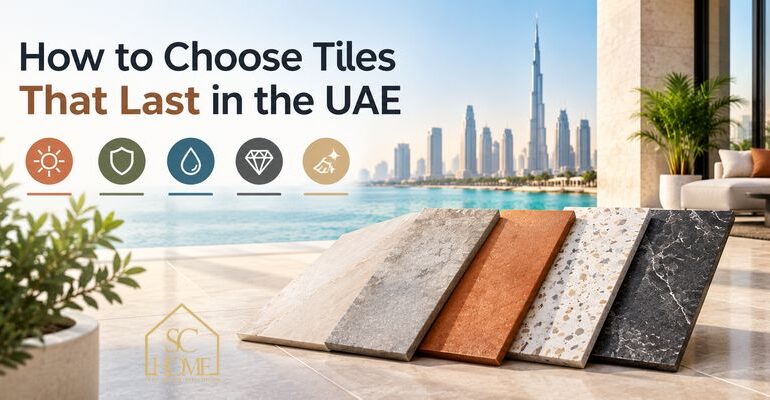
Choosing tiles in the UAE is about more than picking a colour you like. Heat, humidity, foot traffic, moisture, cleaning, and the character of the space all matter. Whether you are renovating a villa, fitting out a hotel, or finishing a commercial project, the right tiles supplier in uae can make the selection process considerably easier.
Why the Supplier Matters as Much as the Tile
Tile shopping can look simple until you start comparing finishes, sizes, materials, thicknesses, textures, and intended applications. A good supplier does more than display attractive designs. They help match the product to the environment where it will actually be installed.
For example, a glossy tile that looks fantastic in a showroom may not be the smartest choice for a frequently used bathroom floor. Likewise, a delicate decorative finish may work beautifully on an interior wall but be unsuitable for a demanding outdoor area. The better approach is to think about performance first, then aesthetics.
Industry standards reinforce this practical approach. The Tile Council of North America notes that ceramic tile standards cover factors such as physical properties, grading, tile types, and installation requirements. Its current installation standards also address substrates, workmanship, setting materials, and exterior applications. Learn more about tile standards from TCNA.
What to Look for When Choosing Tiles
1. Match the Tile to the Application
Start with the room, not the catalogue. Kitchens, bathrooms, living rooms, balconies, terraces, retail spaces, and hotel corridors have very different demands.
- Bathrooms: Consider moisture resistance, appropriate slip characteristics, and easy cleaning.
- Kitchens: Look for surfaces that cope well with regular cleaning, spills, and everyday traffic.
- Outdoor areas: Prioritise suitable durability, texture, and installation requirements rather than choosing purely for appearance.
- Commercial spaces: Think about traffic levels, maintenance routines, and long-term wear before finalising the design.
This is where experienced tile suppliers can save time. Instead of simply asking, “Which tile looks best?”, ask, “Which tile makes sense for this particular space?” That small change in thinking can prevent expensive mistakes later.
Porcelain, Ceramic or Something More Decorative?
There is no single “best” tile for every UAE property. Porcelain and ceramic tiles can serve different purposes, while decorative and specialty options can add personality where appearance is the priority.
Porcelain is often considered for areas where durability and low water absorption are important. Ceramic tiles, meanwhile, remain a versatile choice for many walls and interior applications. The right decision depends on the product specification, location, installation method, and expected use.
According to TCNA’s ANSI A137.1 standard, ceramic tile specifications cover different categories including porcelain tile, pressed floor tile, glazed wall tile, quarry tile, mosaics, and specialty products. In other words, “ceramic tile” is a broad family rather than one uniform product. See the TCNA ceramic tile standard.
Think About UAE Conditions
The UAE presents a distinctive combination of intense sunlight, high temperatures, dust, humidity, and air-conditioning indoors. That does not mean every tile needs to be treated as a specialist product, but it does mean the application should guide the selection.
For outdoor flooring, for instance, texture and suitability for the intended environment deserve serious attention. For bathrooms and wet areas, the surface and installation system matter. For large commercial projects, consistency across batches and reliable supply can become just as important as the original design choice.
A useful checklist before ordering is:
- Where will the tile be installed?
- Will the area experience heavy, moderate, or light traffic?
- Is moisture a major concern?
- Does the surface need special slip or texture characteristics?
- How frequently will the area be cleaned?
- Are matching tiles, trims, or complementary finishes required?
Design Trends Shouldn’t Override Practicality
Large-format tiles, stone-inspired surfaces, neutral palettes, textured finishes, and contemporary patterns can transform a space. But trends come and go. A well-planned project should still feel useful and attractive several years from now.
One practical strategy is to use timeless colours for larger areas and introduce stronger patterns through selected walls, niches, borders, or feature zones. It gives you personality without making the entire room dependent on a short-lived trend.
Buy With the Whole Project in Mind
Before placing an order, check quantities carefully and discuss installation requirements with your supplier or installer. Keep some allowance for cuts and breakage, particularly where layouts involve multiple corners, unusual shapes, or diagonal patterns.
Also ask about product availability and batch consistency. Running short midway through a project is frustrating; discovering that a replacement batch has a noticeably different appearance can be even worse. A dependable tiles supplier UAE buyers can communicate with clearly is therefore valuable from the first quotation to final installation.
Frequently Asked Questions
What should I consider when choosing tiles in the UAE?
Consider the installation area, moisture exposure, traffic, maintenance requirements, surface characteristics, design, and the product’s technical specifications. Climate and intended use should influence the final choice.
Are porcelain tiles suitable for UAE properties?
Porcelain can be an excellent option for many applications because of its performance characteristics, but suitability depends on the specific product and installation location. Always check the manufacturer’s specifications.
How do I choose tiles for outdoor areas?
Look beyond appearance. Consider the tile’s intended outdoor application, surface texture, durability, maintenance needs, and installation system. Your supplier can help identify products appropriate for the project.
Why should I buy from an experienced tile supplier?
An experienced supplier can help compare products, understand application requirements, plan quantities, and coordinate choices across different areas of a project. That guidance can make the buying process more efficient and reduce costly errors.
Final Thoughts
Good tile selection is a balance between appearance, performance, budget, and the realities of everyday use. Instead of chasing the cheapest option or the latest trend, work with a supplier who understands different applications and can help you make an informed choice. With the right products and planning, your tiles can look good today and continue performing well for years.