
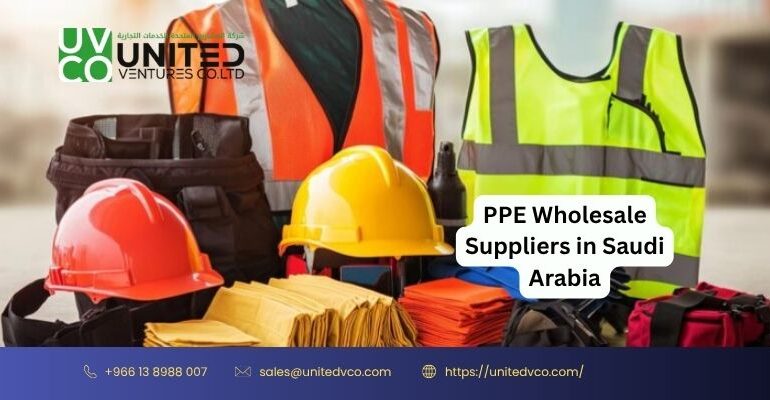
Reliable PPE wholesale suppliers help protect high-risk workers by providing correctly specified equipment, consistent product quality, dependable availability, and practical support for selecting the right protection. Their role goes beyond selling safety gear: they help businesses maintain suitable PPE across changing workloads, replacement cycles, and workplace hazards while supporting a stronger overall safety culture.
For companies managing demanding industrial environments, dependable PPE Wholesale Suppliers can make a significant difference by helping organizations source safety equipment consistently instead of treating every purchase as a one-off transaction.
What Makes a PPE Supplier Reliable?
A reliable PPE supplier is a provider that consistently delivers safety equipment appropriate for identified workplace hazards, maintains product quality, provides accurate specifications, and supports customers with dependable supply and service.
Price is only one part of that equation. In high-risk industries, a supplier that cannot maintain consistent quality or product availability can create operational problems even when its initial quotation looks attractive.
A dependable supplier should make it easier for procurement teams and safety managers to answer a basic question: Does this equipment provide the protection our workers actually need?
How Do PPE Suppliers Help Reduce Workplace Risk?
Reliable suppliers contribute to safety in several practical ways. They help organizations obtain equipment designed for specific hazards rather than encouraging a generic “one product fits all” approach.
- Hazard-specific selection: Products can be matched to risks such as impact, chemicals, heat, cuts, visibility, or respiratory exposure.
- Consistent product quality: Standardized sourcing helps organizations maintain predictable PPE performance.
- Availability: Reliable stock reduces the temptation to delay replacement or substitute unsuitable equipment.
- Product information: Clear specifications help safety teams make informed purchasing decisions.
- Bulk supply: Larger orders can support consistent PPE provision across multiple workers or sites.
Why Product Quality Matters More Than the Lowest Price?
When purchasing PPE in volume, it can be tempting to focus heavily on unit cost. That approach can overlook the actual cost of poor-quality equipment, including frequent replacement, worker dissatisfaction, inconsistent protection, and procurement disruptions.
Good PPE should be appropriate for the hazard and suitable for the conditions in which workers will use it. For example, protective gloves need to provide the right balance of protection, grip, dexterity, and durability for the task.
The same principle applies to safety footwear, protective coveralls, eye protection, helmets, hearing protection, and respiratory equipment.
How Reliable Suppliers Support PPE Procurement?
1. Understand the Workplace Hazard
The process should begin with the customer’s hazard assessment. The supplier needs enough information to understand what type of protection is required.
A chemical-handling operation, construction site, fabrication workshop, and oil-and-gas facility may have completely different PPE requirements.
2. Match Equipment to the Application
Once the hazard is understood, products can be selected according to their intended use, performance specifications, sizing, materials, and applicable requirements.
This is where supplier expertise becomes useful. A good supplier should explain product differences instead of simply recommending the most expensive option.
3. Verify Product Information
Procurement teams should review manufacturer information, technical specifications, markings, certifications where applicable, and instructions for use.
The U.S. Occupational Safety and Health Administration provides guidance emphasizing that employers must select appropriate PPE based on workplace hazards and ensure proper use.
4. Plan for Replacement
PPE is not a permanent asset. Gloves wear out, footwear deteriorates, garments become damaged, and certain equipment may require scheduled replacement or inspection.
A reliable supplier helps businesses plan recurring purchases rather than waiting until essential equipment is suddenly unavailable.
5. Maintain Supply Consistency
Large organizations may need the same type of PPE across multiple departments or locations. Consistency can simplify training, inventory management, replacement, and worker familiarity.
Why Stock Availability Is a Safety Issue?
Imagine a worker’s protective coverall becomes damaged during a shift. If the replacement is unavailable, the organization faces a choice: delay the task or potentially allow work to continue without suitable protection.
Neither situation is ideal. Reliable inventory and predictable replenishment reduce this kind of pressure.
This is particularly important for businesses seeking Industrial Equipment Solutions in Saudi Arabia, where industrial operations may involve multiple teams, demanding environments, and ongoing equipment requirements.
What Should Businesses Look for in a PPE Supplier?
- Product range: Can the supplier support the organization’s different PPE requirements?
- Technical knowledge: Can the supplier explain product specifications and intended applications?
- Supply reliability: Can it maintain availability for recurring orders?
- Documentation: Are product specifications and relevant compliance information accessible?
- Consistency: Can repeat orders meet the same required specifications?
- Communication: Does the supplier respond clearly when products, quantities, or delivery requirements change?
How Can Suppliers Support Worker Comfort and Compliance?
Protection only works when workers actually use the equipment correctly. Comfort therefore deserves more attention than it often receives during procurement.
Heavy, poorly fitting, excessively hot, or restrictive PPE can discourage consistent use. A supplier that offers appropriate sizing, alternative designs, and task-specific options can help organizations select equipment workers are more likely to wear correctly.
For example, choosing the right glove size can improve dexterity and reduce unnecessary hand fatigue. Similarly, properly fitted protective clothing can allow workers to move without creating avoidable gaps or restrictions.
Common PPE Procurement Mistakes
- Choosing equipment based only on the lowest price.
- Buying generic PPE without considering the specific hazard.
- Ignoring sizing and worker comfort.
- Failing to maintain replacement stock.
- Not checking manufacturer instructions and product specifications.
- Assuming that one PPE product is suitable for every workplace application.
Frequently Asked Questions
1. Why are reliable PPE wholesale suppliers important?
They help businesses maintain access to suitable, consistent-quality protective equipment while supporting bulk procurement, replacement planning, and hazard-specific product selection.
2. What should I check before choosing a PPE supplier?
Review product suitability, technical specifications, quality consistency, documentation, stock availability, sizing options, delivery reliability, and customer support.
3. Is cheaper PPE always a better choice for bulk purchasing?
No. Purchase price should be considered alongside protection, durability, suitability, replacement frequency, and overall value.
4. Can a PPE supplier help select the right safety equipment?
A knowledgeable supplier can provide product information and help explain differences between options, but the employer remains responsible for conducting the appropriate workplace hazard assessment and selecting suitable PPE.
5. Why is PPE availability important for high-risk workers?
Workers need suitable PPE whenever the identified hazard is present. Reliable stock and planned replenishment help prevent damaged, worn, or missing equipment from becoming a barrier to safe work.
Final Thoughts
A dependable PPE supplier should be viewed as part of the safety supply chain, not simply as a vendor. The strongest partnerships combine suitable products, consistent quality, technical information, dependable availability, and responsive service. When those elements work together, businesses are better positioned to keep high-risk workers protected without making PPE procurement unnecessarily complicated.
Full Audio Version:- Click Here

