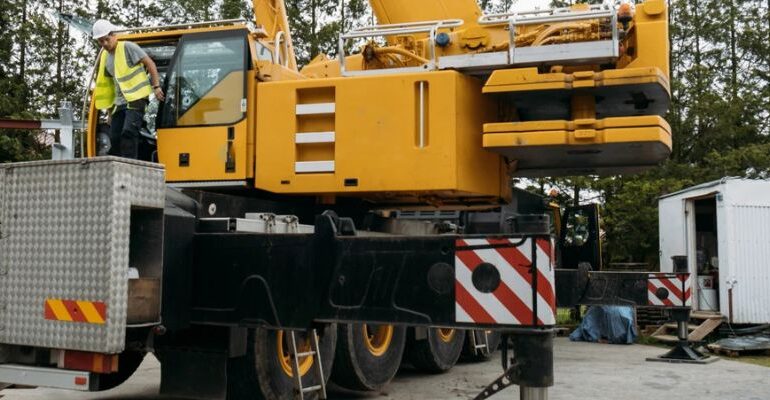
Outrigger pads play a critical role in reducing crane accident risks by creating a stable foundation, evenly distributing heavy loads, and preventing crane outriggers from sinking into the ground. Whether lifting on compacted soil, asphalt, gravel, or uneven terrain, properly selected pads significantly improve operational safety. Companies looking for a reliable outrigger pads supplier in Saudi Arabia understand that these engineered support systems are essential for protecting workers, equipment, and project timelines.
Modern construction projects rely on increasingly larger cranes capable of lifting tremendous loads. However, even the most advanced crane becomes vulnerable if the supporting ground cannot safely handle concentrated outrigger pressure. Investing in quality outrigger pads isn’t simply a best practice—it’s a fundamental part of responsible lifting operations.
What Are Outrigger Pads?
Outrigger pads are high-strength support platforms placed beneath crane outriggers to distribute the machine’s load over a larger surface area. By lowering ground bearing pressure, they reduce the risk of ground failure, equipment instability, and crane overturning during lifting operations.
Rather than allowing thousands of kilograms of force to concentrate on a small contact point, the pad spreads that force evenly across the supporting surface.
Why Do Crane Accidents Often Occur?
While mechanical failures receive attention, many crane accidents actually begin below the machine. Ground instability remains one of the leading contributors to crane incidents because operators often underestimate soil conditions.
According to the Occupational Safety and Health Administration (OSHA), safe crane operations require proper ground conditions, equipment setup, and adherence to lifting procedures.
Common causes include:
- Soft or uncompacted soil
- Uneven working surfaces
- Excessive ground bearing pressure
- Improper outrigger deployment
- Ignoring changing weather conditions
- Using undersized support materials
Outrigger pads directly address several of these risks by improving load distribution before lifting even begins.
How Outrigger Pads Improve Crane Safety
1. Distribute Heavy Loads Evenly
The primary function of an outrigger pad is reducing concentrated pressure. Larger contact areas help prevent sinking, especially on softer ground conditions.
2. Improve Crane Stability
Stable outriggers allow cranes to maintain proper balance throughout lifting cycles, reducing movement that could compromise safety.
3. Protect Ground Surfaces
Construction sites often include finished pavements, concrete, or landscaped areas. Proper pads help minimize surface damage while supporting heavy equipment.
4. Increase Operator Confidence
Knowing the crane is supported by engineered load-distribution equipment allows operators to focus on precision rather than worrying about unstable ground.
Step-by-Step: Using Outrigger Pads Correctly
- Evaluate ground conditions. Inspect soil type, moisture, slopes, and underground utilities before positioning the crane.
- Select the correct pad size. Match pad dimensions and load capacity to the crane manufacturer’s specifications.
- Position pads properly. Ensure each outrigger is centered on the pad with full surface contact.
- Level the crane. Confirm proper setup before beginning lifting operations.
- Monitor throughout the lift. Watch for pad movement, settlement, or changes in ground conditions.
Choosing the Right Outrigger Pads
Not every lifting operation requires the same support system. Pad selection should consider crane capacity, outrigger load, site conditions, and expected ground bearing pressure.
Working with an experienced outrigger mats supplier in Saudi Arabia helps contractors select engineered solutions designed for specific lifting applications instead of relying on improvised alternatives.
Features to Look For
- High load-bearing capacity
- Moisture and chemical resistance
- Non-slip surface design
- Lightweight yet durable construction
- Low maintenance requirements
- Long service life under repeated use
- Resistance to cracking and splintering
High-density composite pads have become increasingly popular because they outperform traditional timber pads in durability and consistency.
Common Mistakes That Increase Crane Risks
Even quality equipment cannot compensate for poor setup practices. Some avoidable mistakes include:
- Using damaged or worn pads
- Stacking multiple smaller pads unsafely
- Ignoring soft ground after rainfall
- Failing to inspect pad positioning before lifting
- Choosing pads based only on price instead of engineering requirements
In my experience, successful lifting operations depend on preparation far more than reaction. Most preventable crane incidents begin long before the load leaves the ground.
Beyond Safety: Additional Benefits
Outrigger pads offer advantages beyond accident prevention. They help reduce equipment downtime, lower maintenance costs caused by unstable setups, improve operational efficiency, and support compliance with workplace safety standards. Contractors also benefit from better project scheduling because stable lifting operations minimize unexpected interruptions.
For industries such as construction, oil and gas, utilities, infrastructure, and heavy logistics, reliable crane support equipment contributes directly to safer and more productive job sites.
Frequently Asked Questions
1. Why are outrigger pads necessary?
They distribute crane loads over a larger area, reducing ground pressure and improving equipment stability during lifting operations.
2. Can outriggers be used without pads?
Only if ground conditions and manufacturer recommendations allow it. In many lifting situations, engineered pads are strongly recommended for safety.
3. How do I choose the correct pad size?
Pad selection depends on crane weight, outrigger load, soil conditions, and required ground bearing pressure calculations.
4. What materials are modern outrigger pads made from?
Many are manufactured from high-density engineered composites designed to resist moisture, chemicals, and heavy repeated loading.
5. Do outrigger pads help protect pavement?
Yes. By spreading loads more evenly, they reduce surface damage to asphalt, concrete, and other finished ground surfaces.
Final Thoughts
Crane safety starts from the ground up. While operator training, equipment inspections, and lift planning remain essential, none of these can compensate for an unstable foundation. Properly engineered outrigger pads provide the stability needed to reduce accident risks, protect valuable equipment, and create safer lifting environments. For organizations committed to efficient and responsible heavy lifting, investing in quality outrigger support systems is a practical decision that delivers long-term safety and operational benefits.
Full Audio Version:- Click Here