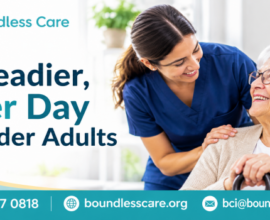
As parents grow older, everyday activities that once seemed effortless can gradually become challenging. Families may begin wondering whether moving a loved one into an assisted living facility is the only practical solution. However, receiving professional support at home can offer another path, combining personal comfort, independence, and attentive care while keeping familiar surroundings within reach.
For families exploring senior home care Palo Alto, the benefits go beyond convenience. It allows aging adults to receive assistance with daily routines without necessarily giving up the homes, neighborhoods, and personal connections they have cherished for years.
1. Familiar Surroundings Make Aging More Comfortable
Home is more than a physical space. It holds memories, personal belongings, familiar routines, and years of emotional connections. For many older adults, leaving this environment can feel like losing an important part of their independence.
Senior home care makes it possible to remain in a familiar setting while receiving the assistance needed to manage everyday life. Whether someone enjoys reading by the window, tending to garden plants, or having morning coffee in their favorite chair, these small routines can continue.
There is also research supporting this preference. According to AARP’s 2024 Home and Community Preferences Survey, 75% of adults aged 50 and older want to remain in their current homes as they grow older. This highlights how important familiar surroundings are when planning for later life. Read the AARP research.
2. Personalized Assistance for Everyday Activities
Not every senior needs the same level of support. One person might need occasional assistance with grocery shopping, while another may require regular help with bathing, dressing, or preparing meals. Home care services can be arranged around these individual requirements rather than following a fixed routine.
Depending on the care plan, professional caregivers may help with:
- Personal hygiene: Assistance with bathing, grooming, dressing, and other daily activities.
- Meal preparation: Preparing balanced meals while considering dietary preferences and instructions.
- Household tasks: Light cleaning, laundry, organizing, and maintaining a comfortable living environment.
- Medication reminders: Helping seniors follow their established medication schedules, within the caregiver’s authorized responsibilities.
- Transportation and errands: Providing assistance with grocery shopping, appointments, and essential outings.
This flexible approach allows seniors to receive help where they need it without unnecessarily taking away the activities they can still manage independently.
3. Better Emotional Well-Being Through Companionship
Physical assistance is important, but emotional support deserves equal attention. Older adults who spend long periods alone may experience loneliness, reduced social interaction, or a growing sense of isolation.
A compassionate caregiver can make everyday life more engaging. Sharing a conversation over breakfast, playing a favorite board game, taking a short walk, or simply listening to old family stories can make a meaningful difference.
For families in Palo Alto, where adult children may balance demanding professional schedules with family responsibilities, dependable companionship can provide additional reassurance. Seniors have someone available to interact with them, while family members can feel more confident about their loved one’s daily routine.
4. Greater Attention to Home Safety and Daily Health
A familiar home is comforting, but it may not always be suitable for changing mobility needs. Loose rugs, poorly lit hallways, slippery bathroom floors, and stairs can create unnecessary risks for aging adults.
Professional caregivers can help identify everyday challenges and support safer routines. The National Institute on Aging recommends practical home modifications such as installing bathroom grab bars, improving lighting, securing carpets, and reducing slipping hazards.
Some useful safety measures include:
- Keeping frequently used belongings within easy reach.
- Removing obstacles from hallways and frequently used walking areas.
- Using non-slip mats and appropriate bathroom safety equipment.
- Ensuring adequate lighting around stairs, entrances, and bedrooms.
Read the National Institute on Aging’s home safety recommendations for additional guidance.
5. Flexible Care That Can Adapt to Changing Needs
One of the biggest advantages of home-based support is flexibility. A senior who initially needs only a few hours of assistance may require more comprehensive support as their circumstances change.
Families can explore different arrangements, from occasional companionship and daytime assistance to more consistent caregiving. When a loved one has complex medical needs, additional professional support may also be necessary.
For example, families looking for qualified clinical professionals can explore services through a nurse staffing agency. Private-duty nursing and non-medical home care serve different purposes, so the appropriate option depends on the individual’s health requirements and care plan.
This adaptability helps families make informed decisions instead of rushing into a permanent living arrangement before understanding what support is actually needed.
6. Family Members Can Focus on Meaningful Relationships
When relatives become responsible for every aspect of an aging parent’s daily care, their relationship can gradually become centered on appointments, medication schedules, household responsibilities, and safety concerns.
Professional home care can distribute some of these responsibilities. Family members can spend more time enjoying conversations, celebrating birthdays, sharing meals, and creating memories rather than constantly worrying about unfinished caregiving tasks.
It does not mean stepping away from a loved one’s life. Instead, it creates an opportunity to remain involved without carrying every responsibility alone.
Frequently Asked Questions
1. Is senior home care better than assisted living?
It depends on the senior’s health, safety, and personal preferences. Home care can be a suitable choice for individuals who want to remain at home and can receive adequate support there. Assisted living may be more appropriate when a person needs a residential setting with services that cannot be safely arranged at home.
2. What services are generally included in senior home care?
Services commonly include companionship, meal preparation, personal care assistance, light housekeeping, transportation, and help with everyday activities. The exact services depend on the provider and the individual’s care requirements.
3. Can senior home care accommodate changing health needs?
Yes. Care arrangements can often be adjusted as an individual’s needs change. Additional caregiving hours or qualified nursing support may be considered when more assistance is required.
4. How can families decide when a senior needs home care?
Frequent falls, difficulty maintaining personal hygiene, missed meals, trouble managing daily routines, and increasing social isolation can indicate that additional support may be helpful. Families should discuss significant health or safety concerns with an appropriate healthcare professional.
Final Thoughts
Aging should not automatically mean giving up the comfort and independence of home. With thoughtful planning, personalized assistance, and compassionate caregivers, older adults can continue enjoying familiar surroundings while receiving the support they need. For Palo Alto families, senior home care can offer a practical way to balance safety, dignity, companionship, and quality of life throughout the aging journey.