Prakriti Online Store has been watching a quiet revolution unfold in Indian bathrooms and salons alike. Business owners often ask: is the organic hair care boom just another trend, or is it a long-term shift in consumer mindset? The answer lies somewhere between rising health awareness and a renewed respect for natural living.
In the last few years, Organic Hair Care Products In India have moved from niche shelves to mainstream shopping carts. What once appealed only to yoga enthusiasts and herbal loyalists is now being embraced by urban professionals, young parents, and even luxury salon chains.
What’s Driving This Market Change?
India’s beauty industry has always leaned toward Ayurveda and herbal traditions. But today’s organic wave feels different—it is backed by modern research, digital transparency, and social influence.
Key forces behind the rise:
- Ingredient awareness: Consumers read labels now. Words like “sulfate-free” and “paraben-free” are no longer marketing fluff; they are decision factors.
- Urban pollution and stress: Hair fall and scalp sensitivity are becoming everyday complaints in metros.
- Influencer education: Bloggers and dermatologists regularly explain why gentler formulations work better long-term.
According to Statista, India’s hair care market is projected to grow steadily through 2028, with natural and herbal categories expanding faster than synthetic alternatives .
Why Organic Appeals to Indian Consumers
Let’s be honest—Indians don’t easily abandon home remedies. Grandma’s coconut oil and hibiscus paste still have emotional value. Organic hair care products simply package that trust into modern convenience.
From a buyer’s perspective:
- They feel safer for long-term use.
- They align with wellness lifestyles.
- They reduce exposure to harsh chemicals.
The World Health Organization has long highlighted concerns around repeated chemical exposure and personal care habits (WHO). While not specific to shampoo bottles, the logic carries over: less chemical load equals fewer long-term risks.
Opportunities for B2B and B2C Business Owners
This is where things get interesting for business owners. Organic hair care isn’t just a product category; it’s a positioning strategy.
If you sell directly to consumers (B2C):
- Storytelling matters more than packaging.
- Customers want to know where ingredients come from.
- Trust builds repeat purchases.
If you supply retailers or salons (B2B):
- Certifications boost credibility.
- Smaller batch production feels premium.
- Education helps distributors sell better.
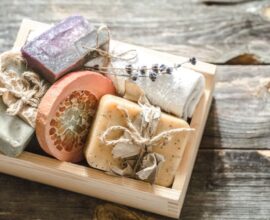
Midway through this shift, many retailers are also expanding into Handmade & Natural Beauty Products to create lifestyle ecosystems rather than single-item stores. Hair care becomes part of a larger “natural living” promise.
Challenges That Brands Must Address
Let’s not romanticize everything. Organic hair care comes with its own speed bumps:
- Price sensitivity: Indian buyers still compare ₹50 bottles with ₹500 ones.
- Shelf life: Fewer preservatives mean faster expiry.
- Greenwashing: Fake claims erode trust.
Brands that survive are the ones that communicate clearly: what is organic, what is natural, and what is simply marketing vocabulary.
Future Outlook: Where Is the Market Heading?
Expect three strong shifts ahead:
- Localized sourcing: Neem, shikakai, bhringraj from Indian farms.
- Hybrid formulations: Science-backed herbal blends.
- Subscription models: Monthly hair care kits for loyal users.
In simple terms, organic hair care will no longer sit in a “special section.” It will quietly become the default choice.
FAQs
Are organic hair care products really better?
They are gentler for most users and reduce exposure to harsh detergents. Results may take longer, but they often last longer too.
Do organic shampoos clean as well as chemical ones?
Yes, but differently. They rely on mild cleansers and plant extracts rather than foam-heavy agents.
Is the organic hair care market profitable for small businesses?
Yes, especially when paired with storytelling and direct-to-consumer channels.
What should buyers look for on labels?
Short ingredient lists, recognizable plant names, and transparent sourcing details.
Final Thoughts
The rise of organic hair care products in India reflects something deeper than fashion. It signals a shift toward mindful consumption. For business owners, this isn’t just a market opportunity—it’s a chance to align profit with purpose.