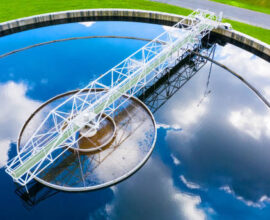
Every factory produces something valuable-and almost always, some wastewater along with it. What happens next often decides whether a business stays compliant, sustainable, and future-ready. This is where effluent treatment plant manufacturers quietly step in, designing systems that turn polluted discharge into reusable or safely disposable water. Their role is technical, yes, but also deeply environmental.
Choosing the right effluent treatment plant manufacturer is less about buying equipment and more about forming a long-term partnership-one that understands process water, regulations, and real-world operating challenges.
Why Effluent Treatment Matters More Than Ever
Industrial growth and environmental responsibility are no longer opposing forces. With stricter discharge norms and rising water scarcity, treating effluent has become a business necessity. Regulatory bodies worldwide now demand higher treatment efficiency, lower sludge generation, and water reuse wherever possible.
According to the U.S. Environmental Protection Agency (EPA), industrial wastewater treatment significantly reduces pollutants entering natural water bodies, protecting ecosystems and public health. Similar frameworks are echoed by pollution control boards across Asia and Europe.
What Do Effluent Treatment Plant Manufacturers Actually Do?
At a glance, an ETP looks like tanks, pipes, and panels. In reality, it’s a carefully engineered process built around chemistry, biology, and physics. Manufacturers don’t just supply machinery-they analyze wastewater characteristics, understand industry-specific contaminants, and customize solutions.
- Process design: Tailoring treatment stages like neutralization, aeration, clarification, and filtration.
- Technology integration: Combining biological treatment, membrane filtration, and chemical dosing where needed.
- Compliance support: Ensuring treated water meets discharge or reuse standards.
Good manufacturers think ahead. They plan for fluctuating loads, future capacity expansion, and operational simplicity.
Industries That Depend Heavily on ETP Solutions
Not all effluents are created equal. Textile dyeing units, for example, battle color and high chemical loads, while pharmaceuticals focus on complex organic compounds. This diversity makes experienced ETP suppliers invaluable.
- Textile and garment processing units
- Pharmaceutical and chemical manufacturing plants
- Food and beverage industries
- Automobile and metal finishing units
Each sector demands a different treatment philosophy, which is why one-size-fits-all plants rarely work in practice.
Key Technologies Used in Modern ETPs
Effluent treatment technology has evolved rapidly over the past decade. Today’s plants are smarter, more compact, and far more efficient than older systems.
Commonly Used Treatment Approaches
- Biological treatment: Uses microorganisms to break down organic pollutants.
- Membrane systems: Technologies like MBR and RO enable water reuse.
- Advanced oxidation: Helps treat toxic or non-biodegradable effluents.
The United Nations Water initiative highlights industrial wastewater reuse as a critical strategy for addressing global water stress-making advanced ETP design more relevant than ever.
How to Evaluate an Effluent Treatment Plant Manufacturer
From an operational standpoint, the cheapest plant often becomes the most expensive mistake. Experienced buyers know that performance consistency and after-sales support matter far more than upfront pricing.
- Industry experience: Have they handled similar effluent profiles before?
- Customization ability: Can they design based on your specific wastewater?
- Service support: Commissioning, training, and long-term maintenance matter.
A reliable manufacturer will ask uncomfortable questions early-about sludge disposal, chemical costs, and operator skill levels. That’s usually a good sign.
FAQs About Effluent Treatment Plant Manufacturers
How long does it take to install an effluent treatment plant?
Depending on capacity and complexity, installation can take anywhere from a few weeks to several months, including commissioning.
Are ETPs customizable for small industries?
Yes. Many manufacturers design compact and modular ETP systems specifically for small and medium-scale industries.
Can treated effluent be reused?
In many cases, yes. With advanced filtration and membrane systems, treated water can be reused for cooling, washing, or gardening.
Do manufacturers help with pollution control approvals?
Most established manufacturers assist with documentation, testing, and compliance support during regulatory approvals.
Final Thoughts: More Than Machines, It’s Expertise
Effluent treatment plant manufacturers don’t just build systems-they safeguard water, compliance, and reputation. As industries face growing environmental accountability, choosing the right partner can mean the difference between ongoing struggle and sustainable growth. Clean water, after all, is not just an output-it’s a responsibility.