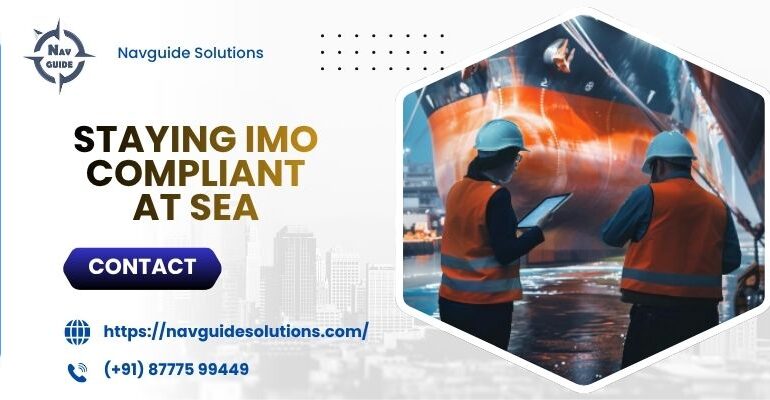
Shipping today isn’t just about moving cargo from one port to another it’s about navigating a sea of regulations. The International Maritime Organization (IMO) sets strict global standards, and staying compliant can feel overwhelming. That’s where professional ship inspection services quietly become the backbone of safe and lawful maritime operations.
From environmental protocols to crew safety, inspections act as a checkpoint system catching issues before they escalate. But how exactly do these services help vessels meet IMO regulations? Let’s break it down in a practical, no-nonsense way.
Understanding IMO Regulations in Simple Terms
The IMO is a specialized agency of the United Nations responsible for regulating global shipping. Its rules cover everything from pollution prevention to vessel safety and crew welfare. Think of it as the rulebook that keeps international waters orderly and secure.
According to the International Maritime Organization (IMO), over 50 international conventions govern shipping standards worldwide. These include SOLAS (Safety of Life at Sea) and MARPOL (Marine Pollution), both critical to daily vessel operations.
How Ship Inspections Bridge the Compliance Gap?
1. Identifying Hidden Risks Early
Even well-maintained vessels can develop unnoticed issues. Inspections help uncover risks that might otherwise go undetected like faulty safety equipment or outdated documentation.
- Checking lifeboats, fire systems, and emergency gear
- Verifying compliance with environmental discharge standards
- Reviewing maintenance logs and operational records
Catching these early not only ensures compliance but also prevents costly penalties and delays.
2. Ensuring Documentation and Certification Accuracy
IMO compliance isn’t just about physical conditions it’s also paperwork-heavy. Certificates, logs, and records must be accurate and up to date.
Inspection teams meticulously review:
- Safety Management Certificates (SMC)
- International Oil Pollution Prevention (IOPP) certificates
- Crew training and competency records
This reduces the risk of detentions during port state control inspections, which can disrupt operations significantly.
3. Supporting Environmental Compliance
Environmental regulations are becoming stricter each year. From ballast water management to emission controls, ships must meet evolving standards.
The U.S. Environmental Protection Agency (EPA) highlights that stricter emission regulations have significantly reduced sulfur oxide levels in global shipping an achievement largely supported by consistent inspections and enforcement.
The Role of Professional Expertise
Here’s where things get interesting. While onboard teams handle daily operations, external ship inspection companies bring a fresh, unbiased perspective. They’re trained to spot compliance gaps that internal teams might overlook due to routine familiarity.
In many ways, it’s like having a second pair of expert eyes ones that know exactly what regulators are looking for.
Key Benefits of Regular Ship Inspections
- Reduced Risk of Penalties: Non-compliance can lead to heavy fines or vessel detention.
- Improved Safety Standards: Regular checks ensure crew and cargo safety.
- Operational Efficiency: Identifying issues early prevents costly downtime.
- Enhanced Reputation: Compliant vessels are more attractive to charterers.
If you’re curious about the broader impact of inspections, this article offers deeper insight: How Global Ship Inspections Safeguard Crews, Cargo, and Coastal Waters?
Practical Steps Ship Owners Can Take
Compliance isn’t just about reacting to inspections it’s about staying prepared. Here are a few practical habits that make a difference:
- Conduct internal audits regularly
- Train crew on updated IMO regulations
- Maintain accurate and accessible documentation
- Schedule periodic third-party inspections
These steps, when combined with professional inspections, create a strong compliance framework that holds up under scrutiny.
FAQs
1. What are IMO regulations in shipping?
IMO regulations are international standards that ensure safety, environmental protection, and efficient maritime operations.
2. How often should ships undergo inspections?
While mandatory inspections depend on regulations, regular third-party inspections are recommended annually or before major operations.
3. What happens if a ship fails an inspection?
Failure can result in penalties, delays, or detention until issues are resolved and compliance is restored.
4. Are ship inspections mandatory?
Yes, certain inspections are required under international conventions, while others are conducted voluntarily to maintain high standards.
Final Thoughts
In the complex world of maritime operations, IMO compliance isn’t optional it’s essential. Ship inspection services act as a reliable safeguard, ensuring vessels meet global standards without unnecessary stress. By combining expert inspections with proactive practices, ship owners can navigate regulations confidently and keep their operations running smoothly.