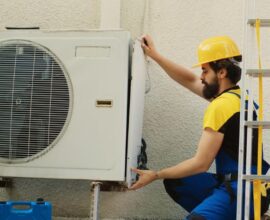
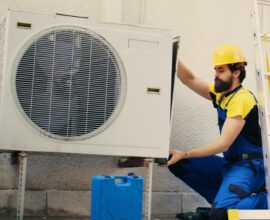
Ever noticed how commercial air conditioners only seem to fail on the hottest or busiest days? It’s rarely bad luck—it’s usually bad timing paired with missed upkeep. For business owners, a seasonal approach to Commercial Air Conditioner Maintenance is less about tools and more about foresight. Think of it as giving your system a wardrobe change for each season.
Why Seasonal Maintenance Matters
Commercial AC units don’t just cool air; they regulate comfort, productivity, and sometimes even product quality. Studies from the U.S. Department of Energy suggest regular HVAC maintenance can improve efficiency by up to 15% (energy.gov). That’s not trivia—that’s a noticeable line item on your electricity bill.
Seasonal checkups also help avoid what facility managers dread most: sudden downtime. Preventive HVAC maintenance spreads costs evenly across the year instead of dumping them all into one emergency invoice.
Spring: Prep for Peak Demand
Spring is when your AC wakes up from its winter nap. Dust settles, belts loosen, and electrical connections age quietly.
- Clean or replace air filters: A clogged filter restricts airflow and strains the system.
- Inspect coils: Dirty coils act like a blanket over your condenser.
- Check refrigerant levels: Low charge can signal leaks and reduce cooling power.
Spring servicing is ideal for spotting wear early—before summer crowds expose weak links.
Summer: Maintain Under Pressure
During summer, your commercial HVAC system runs almost non-stop. Maintenance now is about stability rather than overhaul.
- Monitor thermostat calibration: Incorrect readings can drive up energy use.
- Inspect drain lines: Condensation backups lead to water damage and mold risks.
- Check electrical components: Heat accelerates wear on wiring and capacitors.
Businesses relying on continuous cooling—restaurants, clinics, server rooms—benefit most from mid-season inspections. It’s like checking tire pressure during a long road trip.
Autumn: Recover and Reset
Once temperatures drop, your AC deserves a recovery phase. This is also when strategic upgrades make sense.
- Assess performance data: Compare summer usage patterns.
- Lubricate moving parts: Reduce friction and mechanical stress.
- Review ductwork: Small leaks can mean large energy losses.
Autumn is also a smart time to consult the Best Commercial AC Supplier In Bangalore if you’re considering system expansion or retrofitting for energy-efficient cooling.
Winter: Protect and Optimize
Even if cooling demand drops, your system shouldn’t be ignored. Winter maintenance focuses on protection.
- Cover outdoor units: Shield from debris and moisture.
- Test controls and sensors: Electronics degrade quietly.
- Schedule deep servicing: Ideal time for part replacement.
According to the U.S. Environmental Protection Agency, well-maintained HVAC systems improve indoor air quality and reduce respiratory risks. For retail stores and offices, that’s a hidden brand advantage.
Building a Year-Round Maintenance Rhythm
A seasonal checklist only works when it becomes routine. Many business owners pair it with annual contracts for commercial HVAC service. It’s predictable, budget-friendly, and keeps records tidy for audits and compliance.
Additional SEO-friendly considerations include energy-efficient cooling, preventive HVAC maintenance, and commercial HVAC service—terms customers already use when searching for reliable climate control partners.
FAQs
How often should commercial AC units be serviced?
Ideally, four times a year—once per season. This ensures the system adapts to changing workloads and environmental stress.
Is seasonal maintenance expensive?
Compared to emergency repairs, seasonal servicing is usually far cheaper. It prevents costly breakdowns and extends equipment life.
Can staff handle basic maintenance tasks?
Simple tasks like filter checks can be internal, but technical inspections should always be done by certified professionals.
Does maintenance really improve energy efficiency?
Yes. Clean coils, proper airflow, and accurate controls all contribute to reduced power consumption and steadier cooling output.
Final Thoughts
Seasonal maintenance isn’t a luxury—it’s business sense. By aligning your AC care with the calendar, you trade reactive panic for proactive planning. Over time, the savings show up not only in energy bills but also in customer comfort and employee morale.