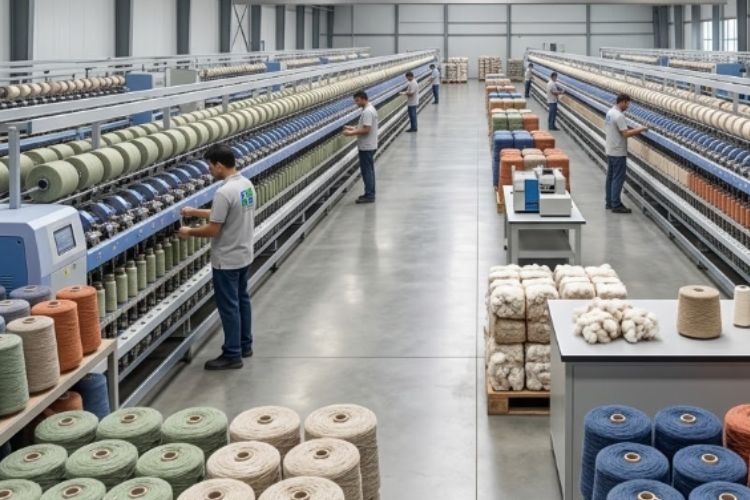
Ever paused to think about where your yarn actually comes from? It’s easy to focus on color, texture, or price—but the story behind the fiber matters just as much. As sustainability becomes more than a passing trend, many crafters and businesses are turning toward organic alternatives for both ethical and practical reasons.
Working with a trusted Organic Yarn Supplier means you’re choosing materials that are grown and processed with care. Not just for the environment, but also for the people involved at every stage of production. And honestly, that changes how you feel about every finished piece.
Also Read: What Makes Bio Cotton a Healthy Choice for Summer
What Makes Organic Yarn Different?
At first glance, organic yarn may look similar to conventional options. But the difference lies beneath the surface—quite literally. Organic yarn is produced without harmful pesticides, synthetic fertilizers, or toxic dyes. This results in a cleaner, safer fiber that feels softer and more natural against the skin.
According to the Textile Exchange (textileexchange.org), global demand for organic cotton continues to rise steadily as consumers become more aware of environmental and health impacts. This shift reflects a growing preference for sustainable textile sourcing.
Key Benefits of Choosing Organic Yarn
- Eco-Friendly Production: Organic farming methods reduce soil degradation and conserve water resources.
- Skin-Friendly Fibers: Free from harsh chemicals, making it ideal for sensitive skin and baby products.
- Ethical Sourcing: Supports fair labor practices and safer working conditions.
- Superior Quality: Often softer and more breathable than conventionally processed yarn.
The Connection to Sustainable Farming
When you choose organic yarn, you’re indirectly supporting Organic Cotton Farms. These farms prioritize biodiversity, soil health, and water conservation—things that conventional farming often overlooks.
It’s a bit like choosing farm-fresh produce over processed food. The difference might not always be visible at first, but it becomes obvious over time—in quality, durability, and overall impact.
Real-World Advantages for Businesses
For textile businesses and designers, organic yarn isn’t just an ethical choice—it’s a strategic one.
- Brand Value: Consumers today actively seek eco-conscious brands, giving businesses a competitive edge.
- Regulatory Compliance: Many global markets now favor or require sustainable sourcing practices.
- Long-Term Cost Efficiency: Higher quality often means fewer defects and longer-lasting products.
How Organic Yarn Impacts the Textile Industry
The shift toward sustainability doesn’t stop at yarn. It extends across the entire supply chain, influencing Fabric manufacturers in India and beyond. When manufacturers adopt organic materials, they contribute to reducing pollution and promoting cleaner production methods.
In fact, a report by the Organic Trade Association (ota.com) highlights that organic textile production significantly lowers chemical runoff, which helps protect ecosystems and water sources.
Tips for Choosing the Right Organic Yarn Supplier
- Check Certifications: Look for GOTS or OEKO-TEX certifications to ensure authenticity.
- Evaluate Transparency: Reliable suppliers openly share sourcing and production details.
- Compare Fiber Quality: Not all organic yarns are equal—test softness, strength, and consistency.
FAQs About Organic Yarn Suppliers
Q1: Is organic yarn more expensive than regular yarn?
A: It can be slightly more expensive upfront, but its durability and quality often make it more cost-effective in the long run.
Q2: Can organic yarn be used for all types of projects?
A: Yes, from clothing to home décor, organic yarn is versatile and suitable for various applications.
Q3: How do I verify if yarn is truly organic?
A: Look for recognized certifications like GOTS and ask suppliers for detailed product information.
Q4: Does organic yarn require special care?
A: Generally, it’s best to use gentle washing methods to maintain its natural softness and longevity.
Final Thoughts
Choosing organic yarn isn’t just a trend—it’s a thoughtful decision that reflects a deeper awareness of quality, sustainability, and responsibility. Whether you’re a hobbyist or a business owner, sourcing from trusted suppliers ensures your creations carry both beauty and purpose.
Blog development Credits:
This article was thoughtfully developed by Square Corporation, researched using AI tools like ChatGPT, Gemini, and Copilot, and refined with SEO expertise by Square Corporation.